




The public entity Canary Ports has deployed a new strategy of corporate diplomacy aimed at transforming the social perception of its maritime infrastructures in the archipelago. During a press conference this morning, the managing director of the institution, José Gilberto Moreno, presented the first session of the ‘Open Ports Day’, a dynamization program that started at the port of Taliarte and moves to Sardina de Gáldar.
The initiative aims to dissolve the traditional physical and industrial barrier that separates the port facilities from the adjacent urban communities through a combination of outreach routes, guided technical tours, and small-scale artistic actions, testing a model of openness that seeks to assimilate these transport nodes into true public spaces for civic use.
The institutional proposal of the regional government fits into a global trend in logistics management where medium and regional scale ports need to redefine their relationship with the territory to justify their expansion plans and attract public funding. Moreno emphasized that the entity’s intention is not merely recreational; it aspires for the public to traverse the facilities and understand the daily utility of docks that have traditionally operated with their backs to the residential fabric. By placing historical memory and maritime culture at the center of the outreach discourse, the general management seeks to mitigate the historical coexistence conflicts that usually condition the relationship between the port operation areas and the coastal municipalities of Gran Canaria.
The Gáldar facility serves as the ideal backdrop to showcase the corporation’s environmental roadmap, generically called Ecopuertos. This master plan seeks the progressive decarbonization of berthing services, circular management of waste generated by the deep-sea and recreational fleets, and the implementation of energy efficiency systems in buildings in the north of the island, aligning local management with the objectives of the European Union’s sustainability agenda.
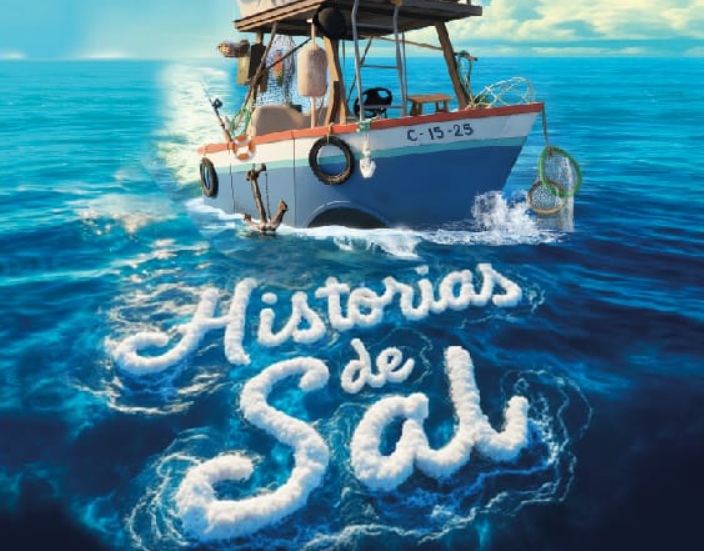
The technical day will culminate in the staging of ‘Sal Stories’, a forty-minute street theater production designed by the Canary producer Camino Viejo Producciones under the direction of Víctor Formoso. The piece uses an itinerant structure built with recovered materials and marine salvage elements to articulate a narrative based on visual poetry and ecological resilience. Through the deployment of such cultural assets, the port authorities aim to humanize the visual impact of cranes and piers, transforming the operational area of the dock into an improvised amphitheater suitable for local cultural consumption.
The reputational value of living port spaces
Regional ports play a pivotal role in inter-island connectivity and the economy of artisanal fishing fleets, but their financial viability is often questioned due to the fixed costs of structural maintenance in the face of stiff competition from major state hubs. The opening of facilities to domestic tourism and residents acts as a political buffer that legitimizes budget allocations intended for the modernization of docks and commercial areas.







