




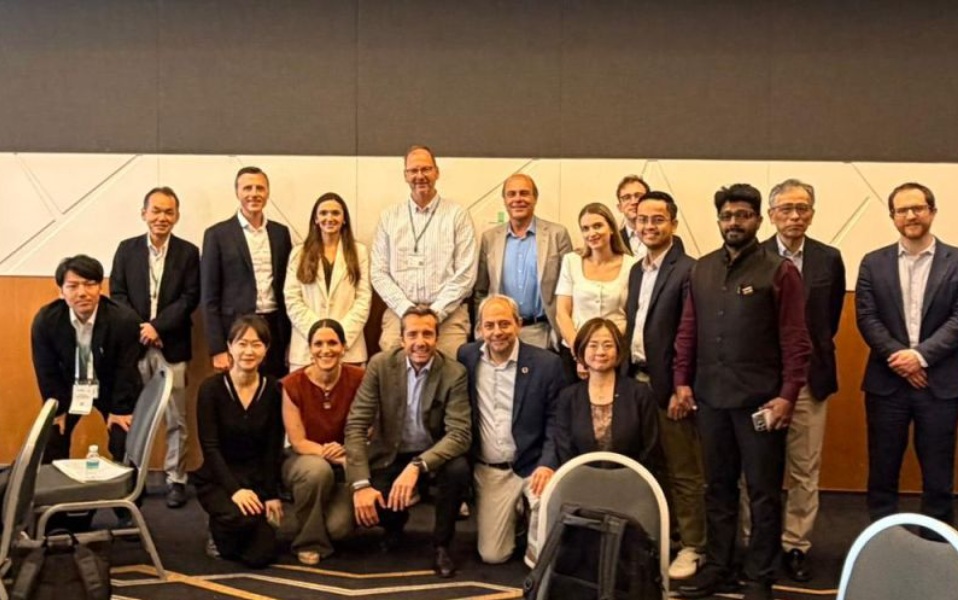
The global cruise industry is about to adopt a common language of excellence, and the Port of Santa Cruz de Tenerife is at the core of its design. During the IAPH Technical Committee Days held this week in Singapore, the Tenerife delegation has consolidated months of technical work to shape the future model of global accreditation for cruise ports. Under the umbrella of the International Association of Ports and Harbors (IAPH), this project seeks to establish a system of measurable and verifiable indicators that will take the sector from the realm of good intentions into that of rigorous certification.
Representing the port authority, Luz Marina Espiau, Head of Commercial Division and Business Development, has played a leading role in the Cruise Accreditation sessions. The aim of this new model goes beyond mere regulatory compliance; it is about building a port ecosystem where sustainability, digitalization, and energy transition are auditable parameters. Tenerife is not just attending as an observer but as an architect of standards that will require ports worldwide to assess their performance in critical areas such as energy supply infrastructure, safety, and real port-city integration.
A Model of Data versus Intuition
The involvement of Tenerife in the working groups in Singapore has been cross-cutting, influencing data and energy collaboration committees. The thesis defended by the Tenerife team is clear: the future of the industry depends on ports’ ability to align globally, sharing knowledge and defining common requirements that allow cruise ship operators to immediately identify the most efficient and responsible hubs. This accreditation system will enable Santa Cruz de Tenerife to showcase its investments in cold-ironing and clean fuels against an international evaluation scale.
This milestone in Singapore positions Port of Tenerife at the forefront of institutional leadership. By contributing to the creation of this common model, the port authority ensures that its interests and geographical realities are considered in the future global regulations of the sector. It is not just about receiving ships; it is about defining the rules of the game for an industry that will now be judged under a global accreditation system largely developed with the technical impetus of the archipelago.







