




The financial growth and operational expansion of auxiliary companies at the Port of Las Palmas are confronted with a **structural instability factor** originating in the administrative heart of the facility. The Labor Inspectorate has forced the Port Authority of Las Palmas to execute an assessment report on **psychosocial risks following years of accumulated friction** in the human resources management department. The confidential document reveals compelling metrics about the deterioration of the work environment in the public organization led by Beatriz Calzada, depicting an organization strained by organizational opacity and persistent internal conflicts.
The occupational health audit received the support and active response of 218 employees out of a total of 335 workers, achieving an **index of statistical representation of 65.07%**. The results of the **internal survey reflect that 29.4% of the staff experiences recurrent interpersonal hostilities** in their workplaces. The most critical data reveals that 24.3% of the surveyed professionals report being victims of situations compatible with psychological violence frequently or constantly within the offices and dependencies of the port institution.
**Structural failures in the chain of command**
The technical report explicitly rules out that the toxicity of the social-labor environment is due to strictly individual disagreements among dock workers. The **auditors locate the origin of the crisis in severe deficiencies in the design of the internal organization**, identifying a systematic absence of channels for staff participation in strategic decision-making. The lack of clear definitions of the competencies and roles assigned to each employee creates an operational void that destabilizes the daily dynamics of the regulatory entity.
The study’s conclusions advise against resorting to superficial solutions for corporate wellness or stress management workshops unless there is first a **deep restructuring of the organizational charts**. The Human Resources and Organization Management is at the center of the institutional conflict due to a history of at least seven complaints of alleged workplace harassment over the past three years. Some of these disciplinary proceedings have **transcended the administrative sphere to become part of ordinary criminal investigation procedures**, without the port presidency articulating precautionary measures or preventive reassignment.
**Union pressure in the face of managerial inaction**
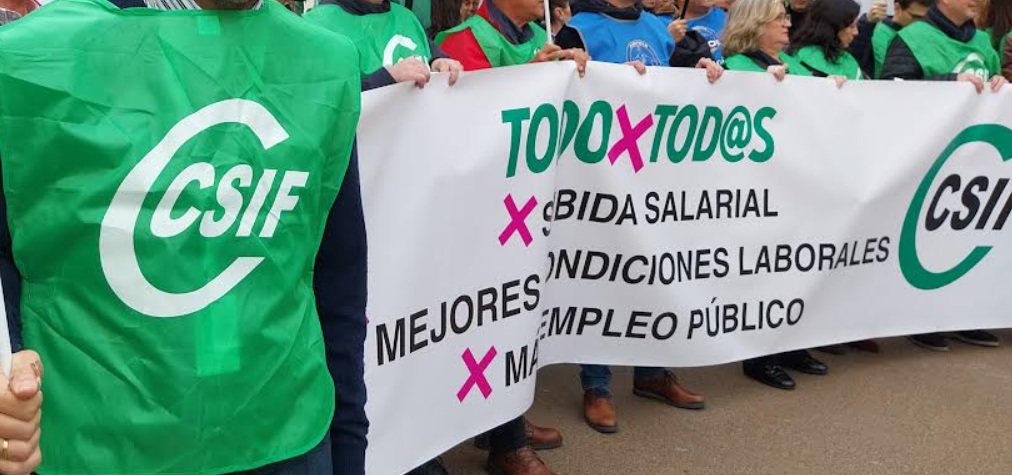
The discontent of staff and technical personnel has crystallized into an offensive by unions against the management of the political direction of the Gran Canaria facility. Spokespeople for the civil servants’ union CSIF have characterized the Port Authority presidency’s strategy as a policy of delaying tactics regarding wage and organizational claims presented by the works council. Workers’ representatives denounce the existence of an operational **lack of control that supports unequal treatment among the different departments of the port**, perpetuating an unhealthy work climate.
Internal instability coincides with a period of high competitive demand in the Central Atlantic, where reliability in managing customs fees, land concessions, and dock services is crucial for retaining international ship traffic. Industry analysts warn that the stalemate in collective bargaining and the deterioration of the port’s central services could compromise the processing times of critical commercial files. In a globalized port market that **penalizes regulatory delays**, the organizational paralysis of the Port Authority of Las Palmas becomes a risk factor for the competitiveness of the business and industrial fabric of the entire province.







