




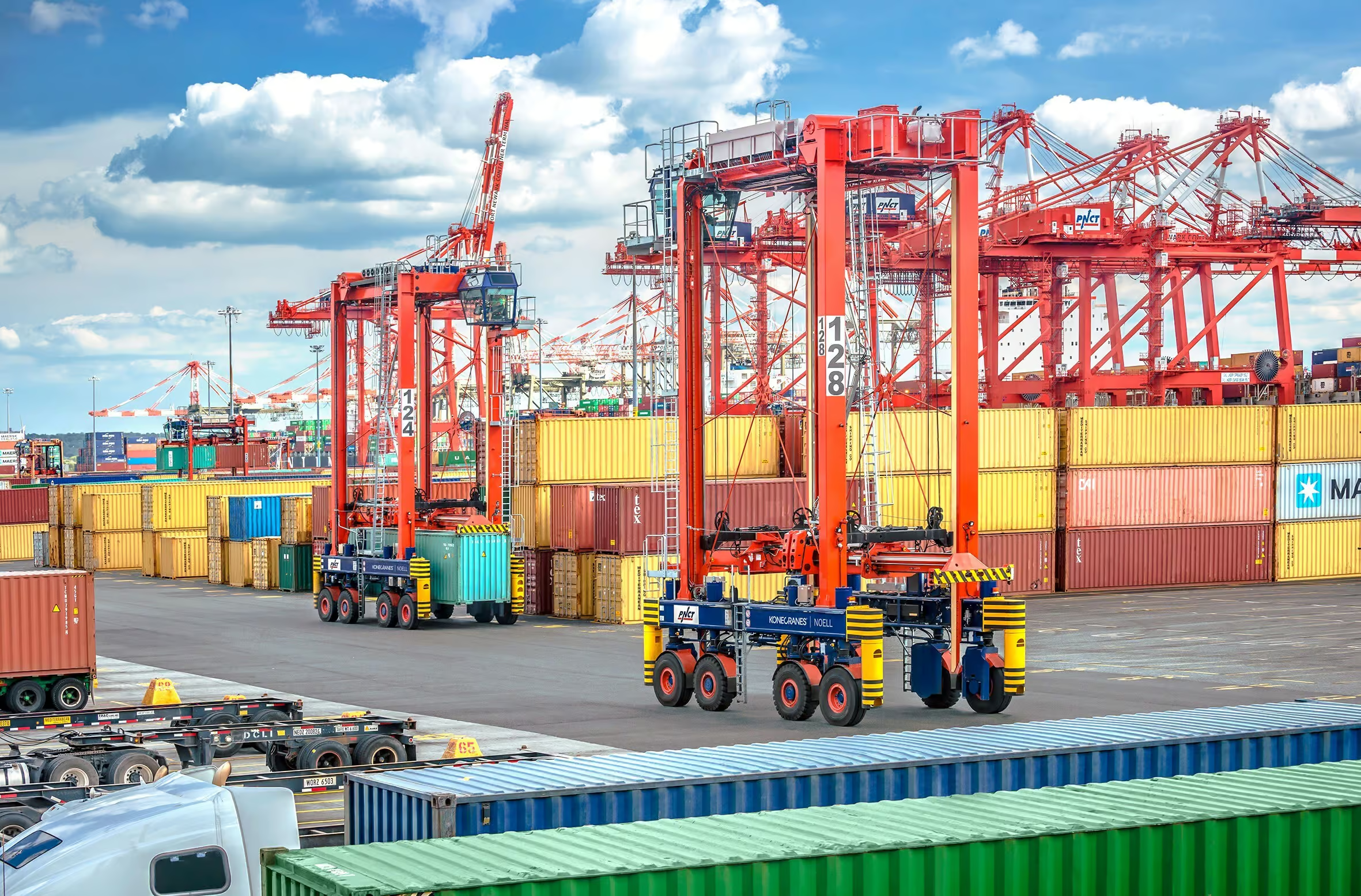
Konecranes confirmed this Thursday that it has received an order for the Port of Las Palmas in a statement sent to Canarymaritime. The energy transformation of the Port of Las Palmas has reached a new milestone this quarter with the consolidation of OPCSA’s (MSC Group) commitment to Finnish technology. The container terminal has formalized a new order for four hybrid rubber-tired gantry cranes (RTG) from Konecranes, an operation that expands the massive investment initiated in 2025 and positions the Canary infrastructure at the forefront of operational efficiency in the Atlantic.
This strategic move, finalized in the early months of 2026, increases the Konecranes machinery fleet in the La Luz terminal to 18 units. The delivery of these four new cranes is scheduled for the last quarter of the year, reinforcing a logistics ecosystem that already benefits from a recently signed comprehensive maintenance contract for five years. According to Javier Zurita Ramírez, project director of OPCSA, the decision responds to a logic of technological continuity that combines a high lifting capacity with a drastic reduction in operational costs.
The core of these new machines lies in their diesel-hybrid propulsion system. Konecranes technology allows for capturing and storing energy generated during lifting and lowering operations, reusing it for subsequent loading cycles. This system not only lightens the terminal’s fuel bill but also minimizes the carbon footprint in an increasingly regulatory-pressured port environment from European environmental regulations. Safety has also been enhanced with gas fire prevention systems and mechanisms to prevent the accidental lifting of trucks during operations.
The operation is part of the Nordic manufacturer’s ‘Ecolifting’ roadmap, aimed at achieving zero emissions in the port sector. With this fleet expansion, OPCSA ensures its capacity to manage the growing volume of containers in international trade, ensuring that the Port of Las Palmas is not just a geographical stop but an eco-efficient logistics node capable of competing in performance and sustainability with the major terminals on the continent.







