




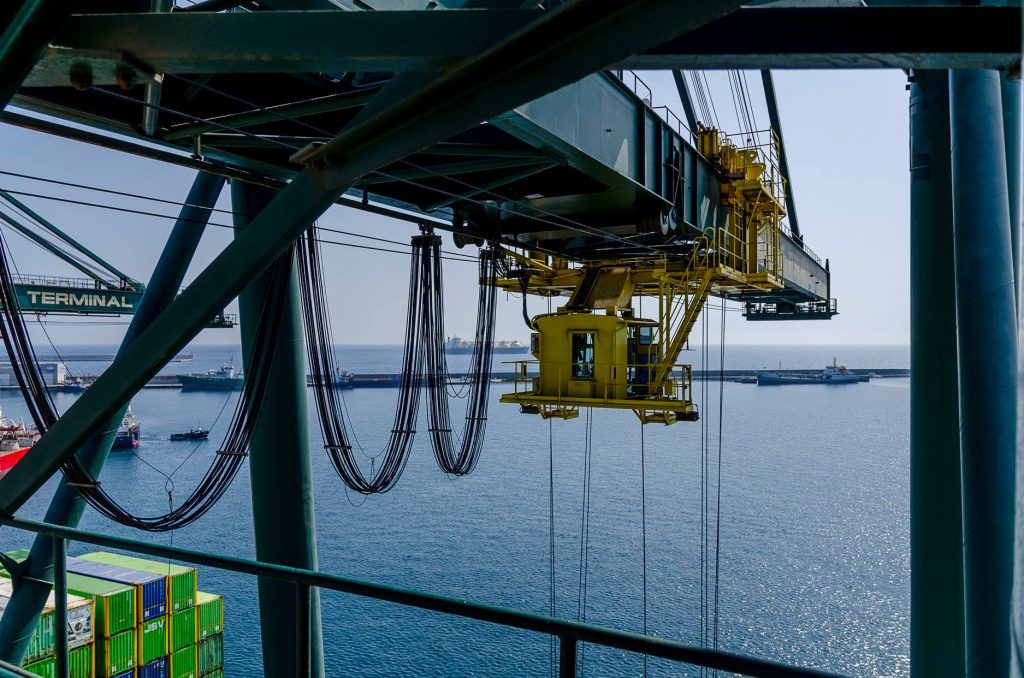
The cargo entry points in the Canary Islands have consolidated an unprecedented revenue-generating power by the end of the third quarter of their fiscal year. According to the latest report from the Canary Islands Tax Agency, the Financing Block of the REF, the financial backbone of the islands, has already injected 2.571,4 million euros into public coffers until November 2025. The Canary Islands are collecting more than ever before, but their customs efficiency now relies less on the ships that dock and more on the speed with which Vexcan settles its invoices.
The IGIC on imported goods shows a setback of 1.41%, standing at 705.1 million euros. In a market that relies almost exclusively on external sources, a drop in customs usually precedes a recession. When administrative noise is eliminated and homogeneous collection criteria are applied, the reality is radically different: imports do not decrease but instead leap to 741.6 million euros, a real growth of 3.69%.
The AIEM
While the IGIC suffers from the delays of the single window, the AIEM (the authority to block competition) shows data of granite stability. With a net collection of 257.3 million euros (after deducting refunds worth 2.1 million), this tax grows by 1.31%. This modest increase confirms that the flow of goods to the archipelago is maintaining its positive momentum, defying any narrative of stagnation.
If customs for consumer goods hold steady, the luxury and mobility sector shows the first cracks. The registration tax, closely tied to the entry of vehicles by sea, has fallen by 4.72%, settling at 20.7 million euros. It is the only indicator that diverges from the overall upward trend, suggesting that Canary Islands families are postponing major purchasing decisions.
News written by Pedro Marrero. Edited and verified by José L. Jiménez. Cross-checked information without institutional filters. This analysis has not been financed by official advertising or conditioned by lobbying interests.







