




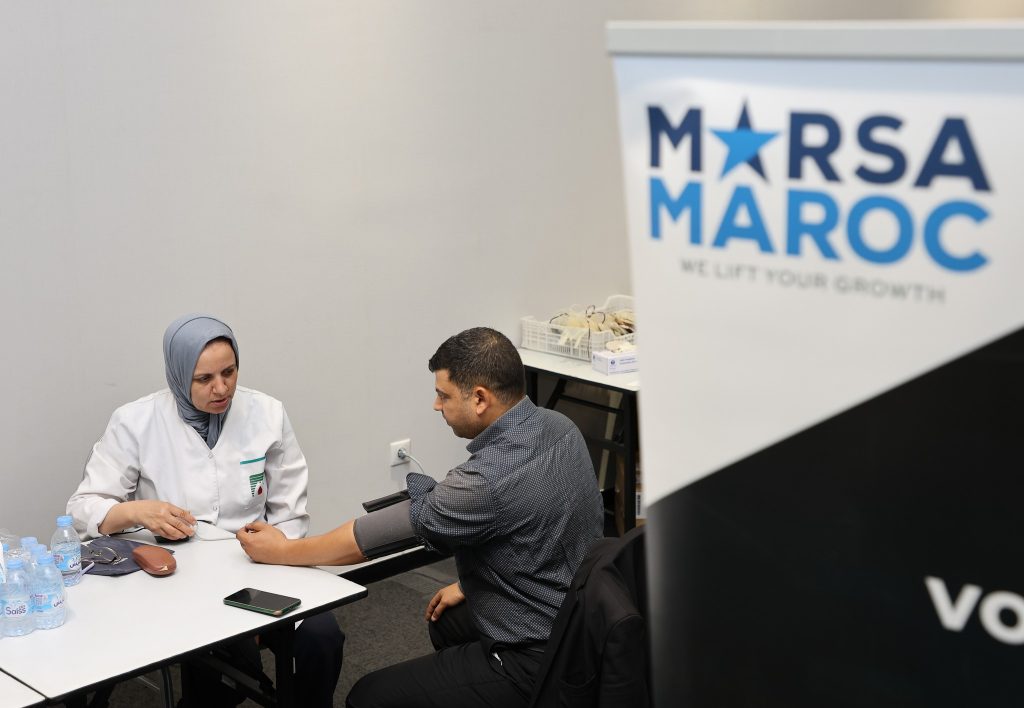
In the port circles of Las Palmas and Tenerife, the latest maneuver of Vicente Boluda is read as a lesson in asset arbitration and diplomacy; but on the islands, this is questioned by the Cabildo of Gran Canaria due to the control of sensitive information that circulates through the Canary distribution business. The Valencia-based shipping company has regained sovereignty over its terminal division in the Canaries to, immediately afterward, bring in a geopolitically significant strategic partner like Marsa Maroc. In other words: the Moroccan State.
The main event, according to El Confidencial in Madrid, arrived with the entry of Marsa Maroc into the scene. The North African company, controlled by the Kingdom of Morocco, has disbursed 80 million euros for 45% of Boluda Maritime Terminals. The significance of this figure is not just the amount but the risk and opportunity premium: the price paid is 55 million euros above its book value, as reflected in the corporation’s 2024 reports. Morocco has made a generous ‘entry’ to position itself in the heart of Spanish logistics, particularly along the strategic axis of the Canaries and the ports of the Cantabrian Sea and the Guadalquivir.
The chronology of the operation reveals a surgical calculation. Barely six months before sealing the alliance with the Moroccan giant, Boluda exercised his buyback right on the 49% stake that the British fund CVC-DIF controlled in his stevedoring subsidiary. The exit of CVC, which entered in 2022 valuing the company at about 100 million euros, resulted in a payment close to 70 million for that minority stake. With this move, Boluda not only simplified his structure but also eliminated the financial constraints of private equity to gain the flexibility demanded by the current port landscape.
For the port ecosystem of the Islands, this operation is high voltage. Boluda manages the entry gates for containers in Las Palmas, Tenerife, La Palma, Lanzarote, and Fuerteventura. That the main state port operator of Morocco is now a key partner in these terminals is not merely a matter of dividends; it is a vertical integration of the routes of the Central Atlantic. Marsa Maroc seeks to diversify its assets outside its borders and Boluda, after also selling the 49% of his tug division to the giant MSC, the owner of Opcsa, consolidates as the great facilitator of alliances with the ‘national champions’ of global shipping.
With those capital gains of 55 million over the book value surfacing, the uncomfortable question is: What importance does this operation hold for Morocco if Rabat already knew all this?







