




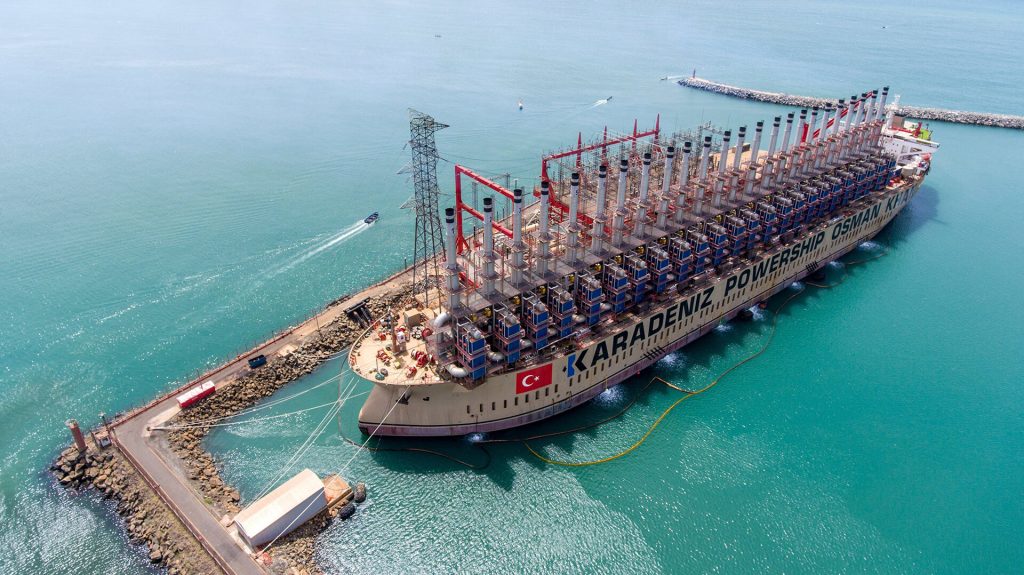
The Government of the Canary Islands has decided to import an energy model reminiscent of the worst planning crises of the Chavista regime: the rental of floating power plants to cover the patches of a failing system. The Department of Ecological Transition and Energy, headed by Mariano Zapata (PP), intends to impose the permanent docking of a polluting Turkish megaship in the port of Las Palmas de Gran Canaria. The regional executive has unleashed an aggressive strategy based on alarmism, utilizing the constant threat of a total blackout as a political coercion tool to bend the resistance of citizens, businesses, and port workers.
This energy terror campaign seeks to make the population accept, out of pure panic over collapse, the installation of a 300-meter-long monster designed to burn dirty fuel just meters away from the homes and businesses of the capital. Technical and economic sources such as economist José Juan Sansó Fernández and industrial engineer Rafael Hernández González —both linked to the citizen initiative ‘Yes to the Jump of Chira’— denounce in Canarias Ahora that the memory of past incidents in the network is being used interestedly to sow fear. According to these sources, the priority of the counselor seems to be the protection of his political returns in the face of the upcoming elections, resorting to an improvised solution that severely jeopardizes public health.
The Scandal of Throwing Clean Energy Away
Specialists remind us that there are private companies with ready projects and secured financing that are paralyzed, waiting for the Government to give the regulatory green light. The Administration prefers to keep the public opinion scared rather than authorize clean systems that would make the arrival of the ship completely unnecessary.
Five Years of Fumes Under the Blackmail of Panic
The condemnation that the Canary Government seeks to impose under the pretext of this false emergency is devastating: five years of noise, gases, and toxic fumes in the heart of the port activity of the capital of Gran Canaria. To increase the uncertainty, the Department is unable to clarify whether the burning of diesel and gas on the ship will be continuous or intermittent, leaving the air quality of the city at the mercy of daily improvisation. Citizen spokespeople warn that resorting to fear to mortgage the environmental setting of the island for the next five years is a major irresponsibility that halts decarbonization plans and returns the Canary Islands to a failed state’s obsolete industrial model.
Twenty-first century infrastructures are defended with real investments in storage, the promotion of offshore wind energy on the southeast coast, and the strengthening of networks, not by frightening the populace from official offices. Experts are unequivocally demanding the immediate cessation of the fear discourse and the publication of all hidden technical information. The city of Las Palmas de Gran Canaria and its port community have ample economic and health arguments to confront this emotional blackmail and reject a forced imposition that jeopardizes the ecological future of the archipelago.







