Were they not saying that the Canary Islands should be the Singapore of the Central Atlantic? Learn. The port circles of Las Palmas are observing with excitement and attention this February a financial stroke that could redefine the control of the strategic assets of the Canary Islands before summer ends. The sovereign fund of the State of Singapore, GIC, is in an excellent position to establish itself not only as a key player in the port logistics of the archipelago with Opcsa but also as the largest hotel owner in the islands.
We have: A state fund from Morocco buying the terminal business of Boluda in the Canary Islands, state-owned Arab funds managing ports like Dakar, and a sovereign fund from Singapore in Opcsa and the hotel sector in the Canaries.
The key lies in Blackstone’s decision to crystallize value in Hotel Investment Partners (HIP), the largest manager of hotel assets in the Canary Islands, valued at around 6.5 billion euros. It owns multiple hotels managed by chains such as Lopesan in the south of Gran Canaria and dozens more on islands like Tenerife.
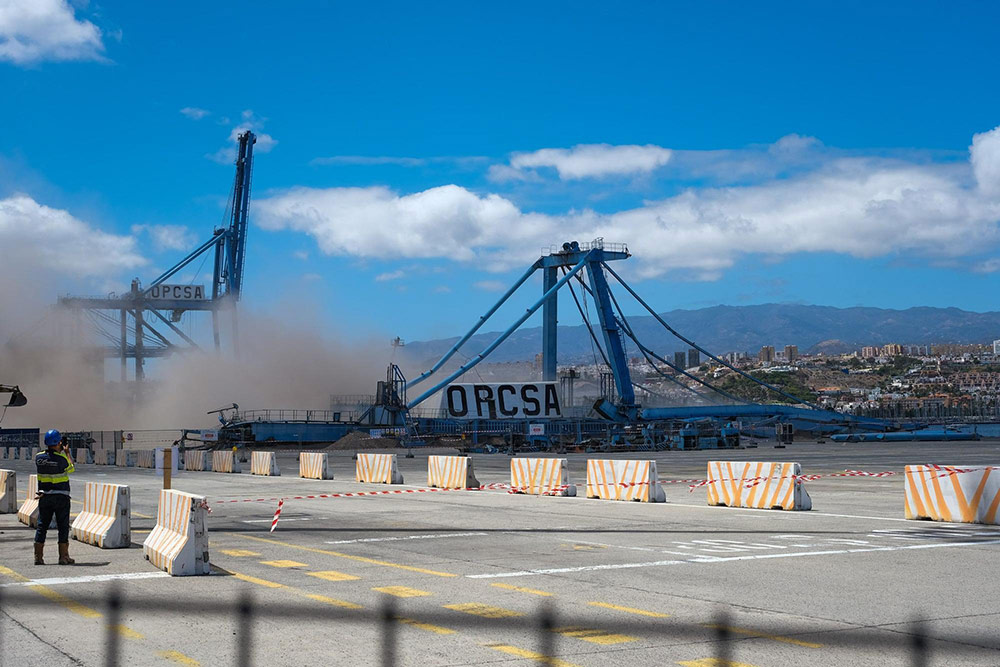
The connection to the Port of Las Palmas is direct through the Opcsa terminal. This critical infrastructure is under the control of Terminal Investment Limited (TIL), the port arm of the shipping company MSC, in which three giants converge: MSC itself, BlackRock, and again, GIC. This presence of the Singapore sovereign fund at the island’s logistics node is the prelude to an even larger landing in the accommodation sector. Currently, GIC already holds 35% of HIP, but the exit of Blackstone—considering either relinquishing majority control to the Asian fund or conducting a partial IPO—would leave Singapore in command of the crown jewel of premium tourism in the Canary Islands.
For the Canary business ecosystem, having the same institutional investor participate in the main gateway for goods (Opcsa) and simultaneously become the leading owner of the hotel sector managed by brands such as Meliá, Barceló, or Ritz-Carlton in Tenerife represents an unprecedented concentration of economic power. While Blackstone seeks to meet its return objectives before summer, GIC emerges as the silent owner of the island, uniting the flow of containers from the Port of Las Palmas with the flow of luxury overnight stays, in a de facto vertical integration that places Singapore at the epicenter of the Atlantic economy.
The operation, which Morgan Stanley and Citi are piloting under a dual track strategy, will set the pace for foreign investment in 2026. If the transfer of the majority of HIP to GIC is ultimately realized, the sovereign fund will not only inherit a portfolio of thousands of rooms in the Canary Islands but will also close a strategic loop on the islands: controlling a key terminal in Las Palmas where supplies land and the hotels where they are consumed.