




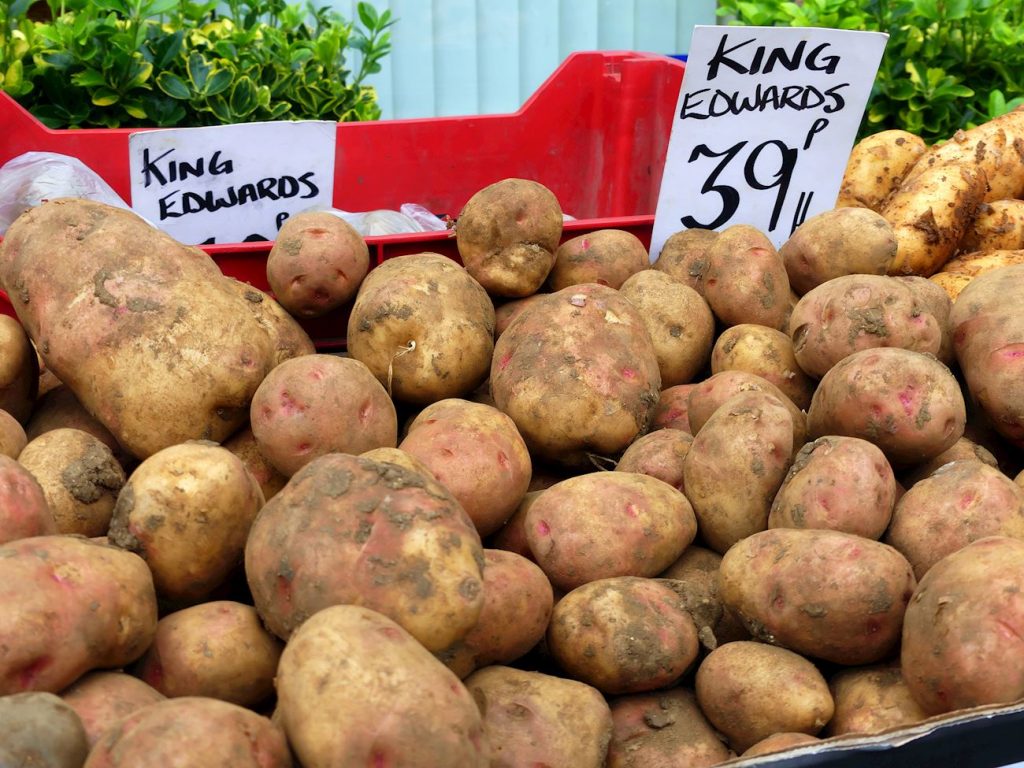
A business one of the most violent in the Canary Islands and one that no one talks about. Therefore, before it is headlined due to the war in the Middle East, let’s look at the prices of Scottish seed potatoes, which succeed on the islands for reasons, presumably unfounded, related to phytosanitary concerns. The latest prices for freely traded potatoes have fallen to less than half of their level from last year, with Potato Call quoting the best Maris Piper at 180 pounds (245 euros) per ton, compared to 400 pounds (545 euros) per ton for similar potatoes from last season. Producers with contracts have benefited from the protection that these agreements provided them this year. However, after a season of surplus supply, many now face lower contract values for the 2026/27 season.
The exact area of potatoes to be planted in 2026 remains uncertain. The broad availability of seeds at lower prices could encourage some producers to maintain or expand their plantations. However, analysis of previous cycles of low prices suggests that the total area is likely to decrease. Estimates indicate a reduction of at least 5%, and potentially up to 10%, which would place the planted area slightly below 100,000 hectares and suggest a new harvest below five million tons.
The European surplus weighs on prices
The UK market remains partially isolated due to its insular geography, but producers in Northern Europe are struggling to move large volumes of freely traded potato surpluses. Where there are buyers, prices usually do not exceed 15 euros per ton, and some stocks are being liquidated at no cost for feed or biodigestion.
Processing demand has also weakened, especially in the Netherlands and Belgium, making it increasingly difficult to liquidate the surplus before the end of the season. Consequently, the prospects for a significant price recovery are limited. Contract prices for the 2026/27 season have already decreased by up to 20% in Northern Europe, and buyers are reducing volumes. A reduction of about 10% in the total European potato area seems increasingly likely for next season.
Imports and exports show mixed trends
The UK continues to import substantial volumes of frozen chips, although there are early signs of demand slowing. Imports fell by 3.5% over the past year and dropped by 6.0% during the five months to the end of November, suggesting weaker performance in the foodservice sector, a key buyer of Dutch and Belgian chips.
Globally, European and North American processors also face increasing competition from lower-priced Chinese and Indian suppliers, who are expanding their presence in Asian markets. Seed potato exports during October and November increased by 1.2% year-on-year to 58,411 tons. However, December trade fell by 18.5%, including a 21.4% decrease in shipments to Egypt, traditionally one of the UK’s most important markets. The trade of fresh potatoes remains moderate.
New demand offers some optimism
Despite market pressures, fresh potato sales show signs of improvement, as consumers seek affordable and versatile food options. This trend offers some support to the sector. Looking ahead, a delay or reduction in planting could restrict supply in the 2026/27 season and support prices. However, increasing climate volatility remains a significant risk factor for future production.







