




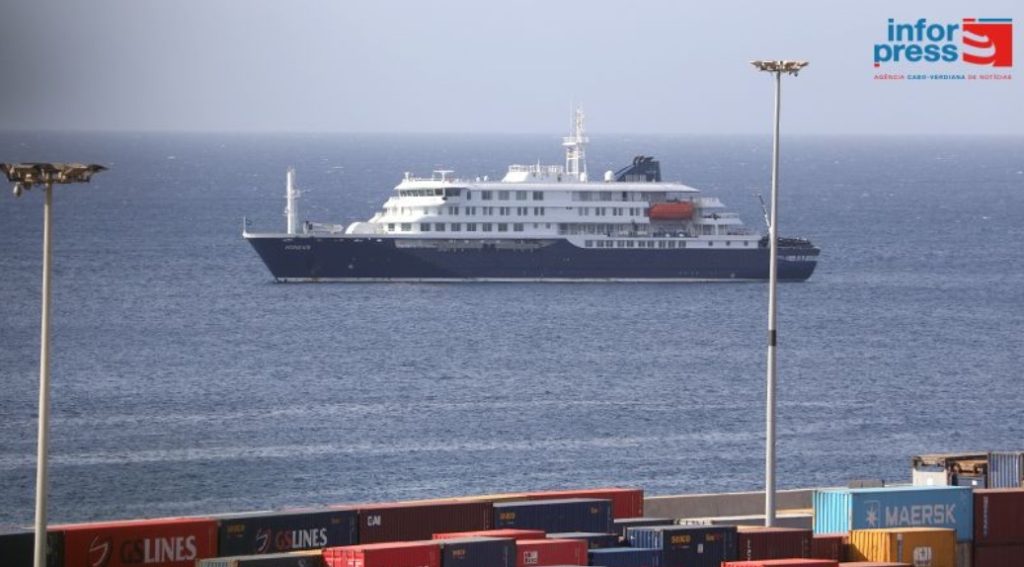
Canarian politics has entered a phase of internal combustion due to the management of the health crisis of the MV Hondius. The Socialist Party of Tenerife has launched a rhetorical offensive against the regional Executive, directly accusing President Fernando Clavijo and the president of the Cabildo of Tenerife, Rosa Dávila, of instrumentalizing the hantavirus outbreak for electoral gains. The Secretary General of the Socialists on the island, Tamara Raya, has described Coalición Canaria’s strategy as ‘deeply irresponsible’, accusing them of replacing scientific evidence with a discourse based on social alarm and rejection.
The core of the conflict resides in the interpretation of international protocols. While the Government of the Canary Islands presents the arrival of the cruise as an arbitrary imposition from Madrid, the PSOE emphasizes that the operation responds to a formal request from the World Health Organization. The international body has requested Spain’s collaboration due to Cabo Verde’s logistical inability to contain the outbreak. According to the Socialist party, the controlled disembarkation at the port of Granadilla is the only viable option to avoid an epidemiological and humanitarian disaster on board, following the International Health Regulations.
The rhetoric of fear has become the main battleground. Raya argues that turning a public health emergency into an institutional confrontation campaign harms the external image of Canarias, a territory that critically depends on its reputation for safety. The Socialist leader has reminded that the Director General of the WHO himself has defended the disembarkation for medical and psychological reasons, warning that prolonged confinement on the ship only multiplies risks for both crew and passengers.
The choice of Granadilla as the arrival point also generates friction. The PSOE defends that this facility meets the necessary operational conditions to ensure effective isolation and safe care. Against the forecasts of ‘severe difficulties’ issued by the Vice President of the Canarian Government, Manuel Domínguez, the socialists insist that the state infrastructure is prepared. The ministerial argument is clear: this is not a political decision by the Government of Pedro Sánchez, but a binding obligation dictated by global health authorities that local institutions must comply with calmly.
The confrontation reveals a deep fracture in institutional loyalty in the islands. Minister Ángel Víctor Torres has lamented the ‘politicking’ of Coalición Canaria on a national security issue, while Tamara Raya concludes that nationalists have chosen to pit the population against the sick instead of collaborating with experts. In this scenario, the arrival of the ship next Sunday shapes up not only as a health challenge but also as the ultimate test of the coordination capacity between the State and an autonomy that has decided to transform the dock into a political trench.







