




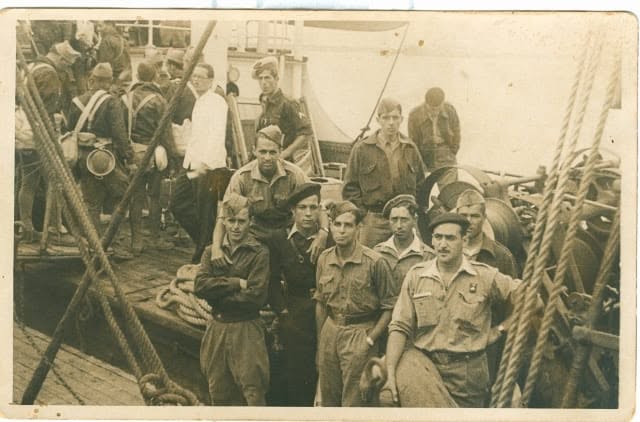
We could have included a photo of a Moeve executive in Abu Dhabi, which is the actual ownership of the exPetrocan, but we opted for a photo from August 20, 1938, when the last replacement shipment to the Peninsula took place during the Civil War in tribute to the victims of fascism. The regime of industrial land tenure and energy supply infrastructure in Spanish ports continues to be conditioned by legal titles granted during the last century. The Port Authority of Las Palmas has initiated the public information procedure for the substantial modification of the public domain concession exploited by the company Moeve Terminals Canarias, S.A.U. in Functional Areas 7 and 8 of the premises. The request seeks an extraordinary extension of the concessional term under current port legislation, affecting critical fuel storage and pipeline facilities whose original validity dates back to a Ministerial Order signed on June 30, 1938, during the Spanish Civil War.
The persistence of administrative authorizations originating during the 1938 armed conflict, later extended by another order in February 1950, illustrates the rigidity of the coastal occupation system in strategic logistical nodes. Moeve Terminals Canarias, previously operated under various names in the refining and hydrocarbons sector, aims to solidify its operational position in the Port of Las Palmas by invoking Article 82.2 b) of the Consolidated Text of the Port Law of the State and Merchant Marine. This legal mechanism allows for extending the useful life of occupation rights in exchange for investments or commitments to maintain activity, at a time when the Gran Canaria port is aggressively competing with terminals on the western African coast for the bunkering market.
The substantial modification procedure, overseen by the port authority director, Francisco Trujillo, has opened a period of twenty working days for the submission of objections by affected third parties. The affected facilities support the fuel supply network to vessels on one of the maritime routes with the highest traffic density in the Atlantic. The obligation to subject these historical titles to public exposure highlights the complexity of adapting energy infrastructures of pre-constitutional origin to contemporary regulatory, environmental, and market competition requirements.







