




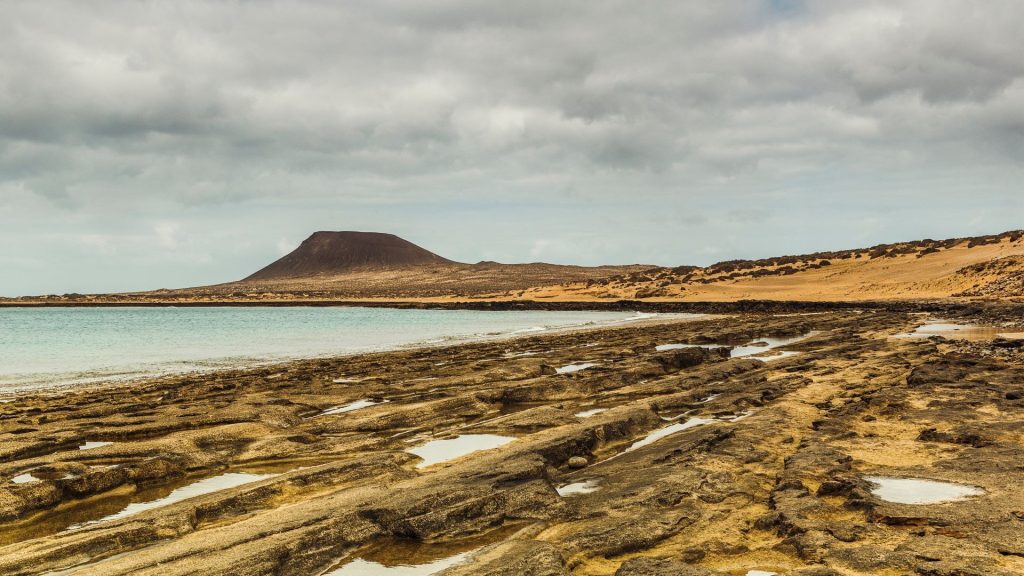
The jewel of the crown of the Chinijo Archipelago can breathe easy, at least regarding its finances. In response to parliamentary concerns about potential cuts to the financial allocation of the Marine Reserve of La Graciosa, the Government of the Canary Islands has issued a message of ‘sufficiency and stability.’ In a response addressed to Deputy Oswaldo Betancort, the Executive not only denies cuts from the General State Administration (AGE) but also outlines a protective strategy that combines Canary resources, state funds, and the financial backing of Brussels.
No cuts or shadows: clear accounts for 2026
The official response is decisive: ‘There are no cuts from the AGE.’ For the 2026 fiscal year, the management of La Graciosa’s waters relies on a financial tripod that ensures patrol boats continue to navigate and scientists continue their research. The key lies in alignment with the FEMPA Funds (2021-2027), which, along with the Autonomous Community’s own credits, ensure that fishery surveillance and control remain vigilant.
The ‘Graciosa model’ expands
What stands out most in the document is not what it states about the present, but what it projects for the future. The Government reveals that it is utilizing the management experience in La Graciosa as a basis for a long-term strategic plan aimed at expanding the network of marine reserves in the Canary Islands.
The Executive is already naming specific locations for future protections: Teno and Anaga (Tenerife); La Bocaina (between Lanzarote and Fuerteventura). This move indicates that La Graciosa has ceased to be an isolated case and is now becoming the ‘instruction manual’ for how the Canary Islands intend to protect their coastline over the next decade.
Comprehensive surveillance: beyond paperwork
For a marine reserve to be more than just a paper park, it needs to be operational. The Government emphasizes that the priority for this year is to maintain fish inspection and scientific monitoring. In an environment where tourist pressure and poaching are constant threats, maintaining credits for the operational capacity of the vessels becomes the most critical line of defense.
Maritime diplomacy
This parliamentary response is an exercise in institutional diplomacy. By ensuring that the State fulfills its part, the regional Government avoids direct confrontation and focuses on technical management. However, the mention of FEMPA reminds us that the protection of our seas today depends more than ever on alignment with European directives.
La Graciosa survives the budgetary uncertainty of 2026, but the challenge will be to see if the financial sustainability that the Government boasts can withstand the pressures of inflation and the rising costs of maintaining a surveillance fleet that cannot afford to rest.







