




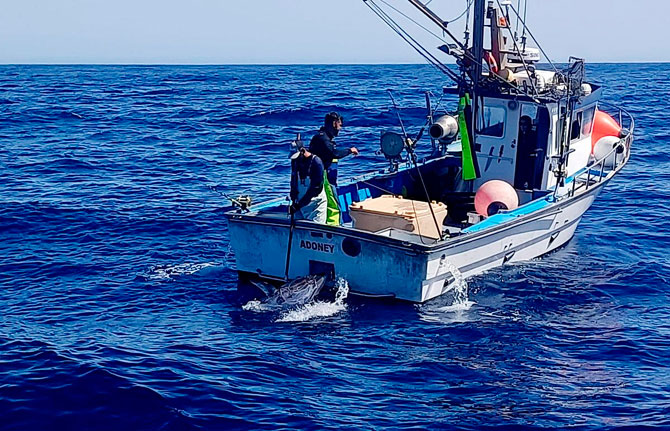
In marine commodity markets, the L50 indicator, the size at which half of a population reaches maturity, has operated for decades as the standard of solvency for catch quotas. However, the Ecoaqua University Institute of ULPGC considers this threshold a systemic risk to biodiversity. Through the GRANDES project, the BIOCON research group has initiated a genetic audit to demonstrate that current extraction pressure is forcing accelerated evolution in commercial species, altering their growth at a molecular scale.
The team led by José Juan Castro proposes a regulatory paradigm shift: to shift the focus towards L95. This much more conservative criterion requires that 95% of individuals in a population have reached reproductive maturity before entering the supply chain. For sector managers, this is not just a biological debate, but a matter of the survival of fishing grounds. By identifying the genomic sequences that regulate reproduction, GRANDES aims to establish a scientific basis to prevent genetic overfishing, a phenomenon that reduces the recovery capacity of populations and threatens the long-term profitability of the industry.
Funded by the Pleamar program and the European Maritime Fund (FEMPA), the project will evaluate different scenarios of biomass and yield per recruit under these new metrics. The challenge for ULPGC will be to translate this genetic evidence into viable management proposals for the competent authorities. In an environment where sustainability criteria increasingly dictate access to international markets, genetic rigor is emerging as the new set of conditions to ensure food security and the stability of the Canary ecosystems.







