




Fourteen months after the shipwreck of a small boat off the coast of Dakhla claimed the lives of at least 15 Pakistani citizens, the Federal Investigation Agency (FIA) of Pakistan has managed to capture the alleged architect of the operation. The arrest of Qasid Ali in the city of Gujranwala marks a tactical blow to the human trafficking networks that, operating under the guise of informal travel agencies, have turned the Atlantic corridor to the Canaries into a death trap for migrants from Southeast Asia.
For FIA investigators, Ali was not just a border crosser, but a key component of a transnational extortion corporation. The modus operandi described by the authorities reveals extreme commercial cynicism: victims handed over hundreds of thousands of rupees under the promise of a European visa, only to be diverted to transit camps in Mauritania. There, far from international scrutiny, migrants were subjected to forced labor and torture while the network severed all communication with families in Punjab, demanding additional payments under duress before loading them onto precarious boats bound for the north.
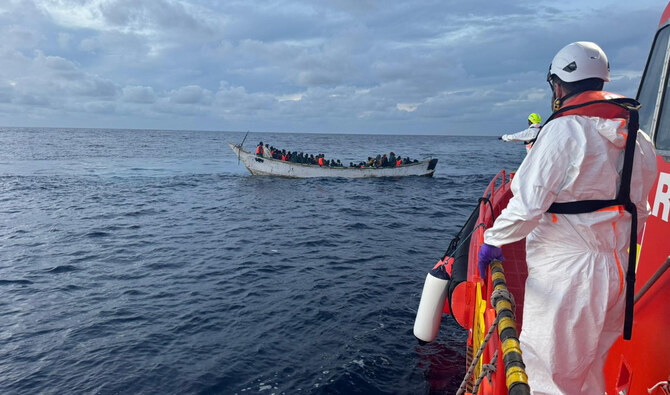
The tragedy of January 2025, where a vessel with 80 people sank in its attempt to reach the Canary archipelago, was the catalyst for a ‘zero tolerance’ policy in Islamabad. Pakistan, which has already suffered the collective trauma of the Pilos shipwreck in 2023 with 262 national casualties, now faces a mutation of migratory routes. The <strongtightening of controls in the central Mediterranean has shifted the flow towards the Canary Route, a crossing much longer and deadlier that traffickers like Ali sell as a viable alternative despite the challenges posed by the Sahara.
The capture of Qasid Ali, who faces charges of trafficking, fraud, and homicide, is a necessary victory for the FIA at a time of maximum social pressure. However, for security analysts, the arrest is merely a symptom of a black market for migration that continues to thrive on economic desperation. As long as the Gujranwala networks continue to find niches of impunity in Mauritania and Western Sahara, the route to the Canaries will remain the most dangerous and lucrative asset of the Punjab mafias.







