




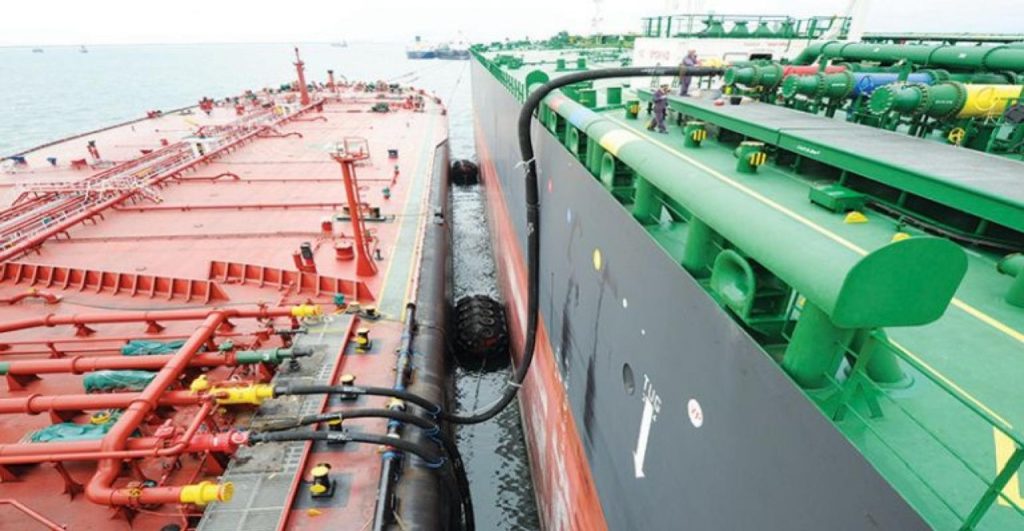
The bunker market in the archipelago has reached a critical tension since March 26, 2026, with VLSFO in Las Palmas at 867 dollars and LSMGO rising to 1,365 dollars, while HSFO is positioned at 770 dollars. This price escalation in Gran Canaria and Tenerife comes accompanied by a de facto operational paralysis, where the availability for immediate deliveries has completely disappeared and suppliers are imposing a minimum notice of 5 days for any type of product. The situation of the Canary ports is one of ‘logistical bottleneck’, functioning as the last refuge before the southern hemisphere against an underserved African coast and a Gibraltar Strait blocked by the storm.
The price gap between regions illustrates the isolation of mid-Atlantic routes. While in northern European centers like Rotterdam, VLSFO remains at 751 dollars, in the islands the surcharge has become a survival toll that shipowners assume amidst scarcity. The situation becomes dramatic when looking towards the neighboring continent: in Durban (South Africa), VLSFO has reached the prohibitive figure of 1,637 dollars, almost double that in Las Palmas. This void in the African supply, where in Luanda (Angola) fuel will not arrive until April 10, has turned the Canary Islands into the forced destination for all traffic fleeing the paralysis and astronomical prices of the south.
In the Gibraltar Strait, the scenario is one of weather siege. A forecast of wild winds and intense waves will batter the area until April 2, leaving 24 vessels anchored in Gibraltar —where VLSFO already marks 830 dollars— in a desperate wait accumulating delays of two days. With Algeciras saturated and anchorages Alpha, Bravo, and Charlie at the limit of their capacity, shipping companies are redirecting their bows toward the islands seeking marine diesel at the mentioned 1,365 dollars, an option that, although costly, is the only guarantee before venturing into an African coast without stocks.
With reserves in northern Europe (ARA) plummeting by 19% this month, the Canary logistics are today the last bulwark before the southern hemisphere. However, the strategic advantage of the islands is facing an unyielding clock: with Malta under threat of total paralysis due to storms this Friday —where the price is 783 dollars but with no guarantee of supply—, the pressure on the docks of Gran Canaria and Tenerife will not relent. Shipowners are no longer negotiating cents, they are simply negotiating not to be left adrift in a March that has put the energy security of the entire Atlantic corridor in jeopardy.







