




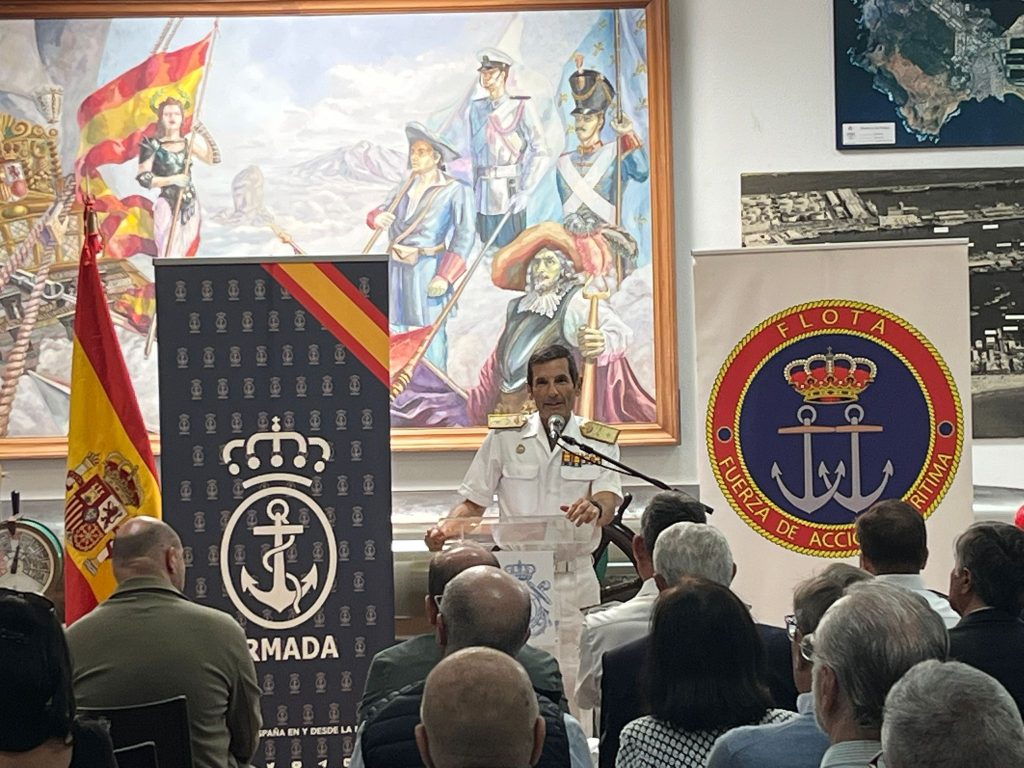
The Naval Museum of Las Palmas hosted this May a new edition of the Historical Day of the Armada, an event that in its seventh installment delved into the depths of naval tactics of the 16th and 17th centuries. Under the title ‘D. Álvaro de Bazán and the Galleys in the 16th and 17th Centuries,’ speaker Alberto Hernández Rubio detailed the figure of the greatest sailor of his time and a strategist whose shadow continues to cast over Spain’s nautical history.
The event, which brought together a large audience interested in maritime heritage, served to highlight the planning ability of Álvaro de Bazán. Known for never having known defeat in combat, Bazán not only excelled as an unyielding tactician in the hand-to-hand combat of Mediterranean galleys but also as a visionary able to understand that the future of Spanish hegemony was played out in the open waters of the Atlantic.
The Galley Facing the Challenge of the Galleon
During the talk, Hernández Rubio analyzed a pivotal moment of the Modern Age: the logistical and technical transition between the traditional Mediterranean and the Atlantic. In this scenario, the galley—combat ship predominant for its maneuverability in closed waters—began to cede prominence to the development of the galleon. It was Bazán who played a crucial role in the evolution of these new vessels, essential for escorting the fleets of the Indies and securing the new strategic axis of global power.
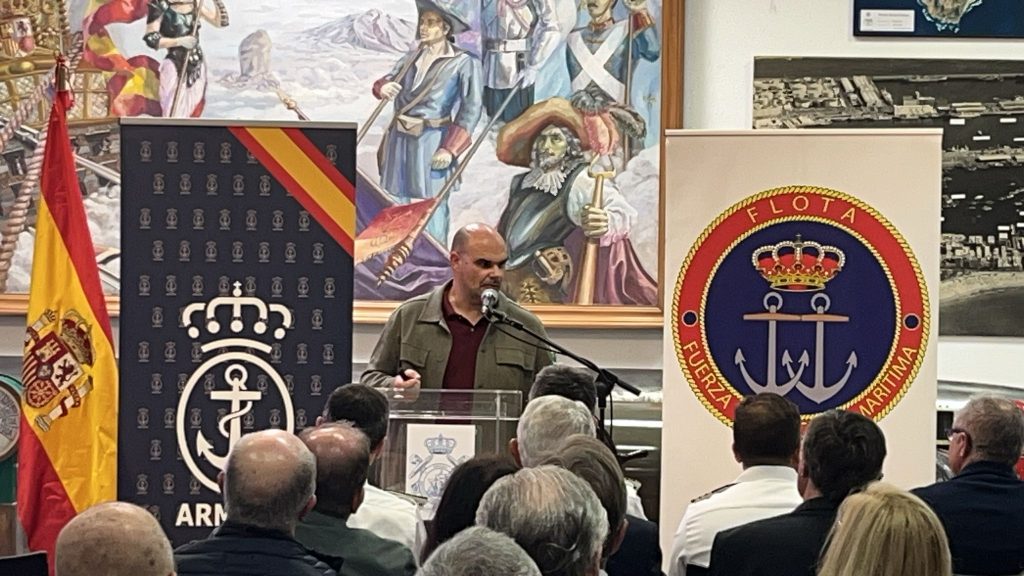
The conference emphasized how Bazán’s genius lay in his duality: while maintaining the effectiveness of the galley squadrons in conflicts against the Ottoman Empire and Berber piracy, he laid the foundations of the ocean navy that would define the subsequent centuries. His leadership in complex operations, such as the relief of the island of Malta or the Battle of the Terceras, was cited as examples of a mastery that combined the brute force of oars with the sophistication of sails and artillery.
Dissemination of Heritage
The celebration of this day at the Naval Museum reaffirms the Armada’s commitment to the dissemination and valuation of historical heritage. Events like last Wednesday’s allow civil society to approach a time when control of maritime routes was synonymous with national survival. The figure of Álvaro de Bazán, remembered for his loyalty to the Crown and his daring at sea, served as a guiding thread to understand not only a military biography but also the evolution of a naval technology that put Spain at the forefront of the world for over two centuries.







