




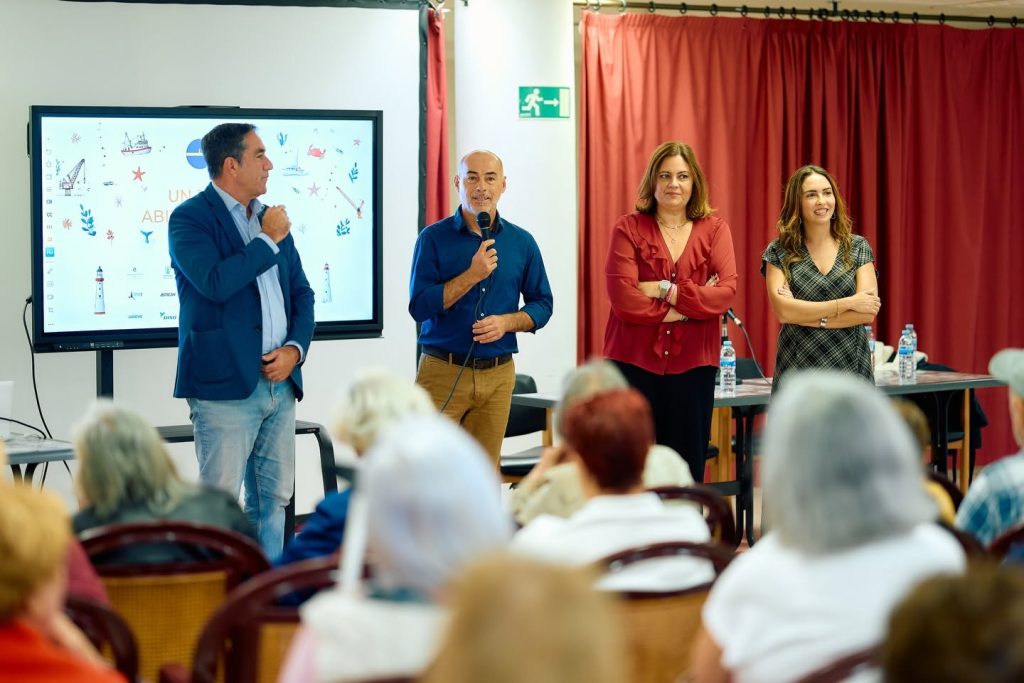
The Port Authority of Las Palmas and the Las Palmas Ports Foundation have scheduled the ‘EnClave Puerto’ event for June 19. The initiative will bring various media organizations into the port area with the goal of providing a detailed account of the logistics and economic activities that support the infrastructure. The event seeks to break the physical barrier between the dock and the city, exposing the operational reality of the port to public opinion.
During the event, the regular programming of radio, television, and print media will be executed from the heart of the facilities. The informational deployment will focus on strategic sectors: ship repairs, fuel supply (bunkering), cruise management, cargo logistics, and maritime security. The presence of media representatives will facilitate interviews with workers, technicians, and business representatives, who will detail the daily execution of port services.
Beatriz Calzada, president of the Port Authority, frames this action within a strategy of transparency and outreach. The historical connection of Canary families to the port, whether through direct employment or dependence on its economic activity, is the core of the institutional message. The objective is to convey to the public the strategic importance of these facilities, as well as to identify job and technical training opportunities available within the cluster.
From the Las Palmas Ports Foundation, its manager, Betsabé Morales, emphasizes the human and technological components. The institution defines the area as a convergence space for talent, innovation, and professional specialization. The event aims to highlight the invisible machinery behind the docks: the work of infrastructure teams, maintenance, maritime signals, and the Port Police.
The ‘EnClave Puerto’ initiative represents a shift in corporate communication within the public organization. The Port Authority aims to institutionalize a channel for disseminating information about the economic fabric dependent on the maritime sector. The event also serves as an effort to update the connection between the collective memory of Las Palmas de Gran Canaria and the current logistical reality of the port, solidifying its position as the main engine of the provincial economy.







