




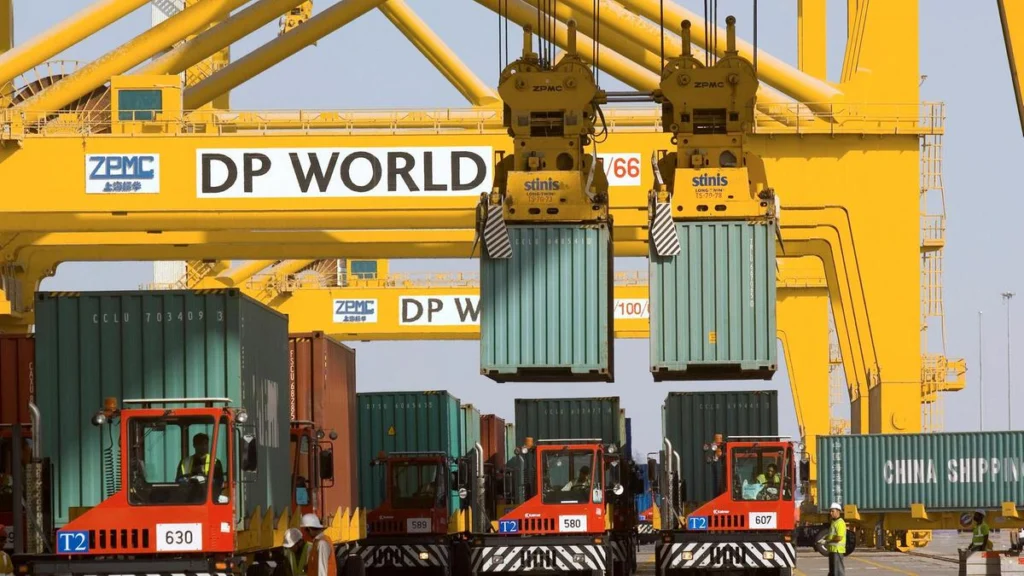
The Autonomous Port of Dakar has closed the 2025 fiscal year with a correction upwards that reverses the negative trend of the previous year. The total cargo traffic reached 29.66 million tons, a figure that contrasts with the 24.58 million recorded in 2024. This operational rebound is primarily supported by the dynamism of exports, which rose from 6.30 million to 9.63 million tons, and by the resilience of imports, which have already surpassed the 20 million ton barrier.
The financial results have followed the trajectory of operational performance. Port revenues climbed to 130.5 million euros (85.6 billion CFA francs), exceeding the 117.8 million euros recorded in the previous period. In terms of segments, the growth of 108% in liquid bulk is noteworthy, totaling 6.46 million tons. Meanwhile, container traffic showed a more modest evolution, standing at 908,529 TEU compared to the 881,289 units managed in the previous fiscal year.
The port management has driven a shift towards conventional cargo segments to safeguard its competitiveness in an environment marked by the upcoming commissioning of the Ndayane deep-sea port. In December 2025, authorities initiated the modernization of Dock 4, a critical facility for the management of agricultural products and general cargo. This measure is part of an infrastructure plan that includes the development of dry ports and the renewal of railway and road corridors, key for connectivity with the interior of the continent.
This operational recovery marks a milestone following the 16% drop in total volume reported in 2024 by the National Agency of Statistics and Demography (ANSD). Current efforts align with the objectives of the state program ‘Senegal 2050’, which seeks to transform the country into an emerging economy. The modernization of Dakar not only responds to an internal logistical need but also aims to position itself as the reference node in the Atlantic region of Africa by optimizing its strategic cargo services.







