




KOIL Energy Solutions, the underwater engineering specialist based in Houston with interests in Tenerife, has confirmed the award of a ‘significant’ contract for the management and installation of umbilical systems in an existing deepwater field in the region. The move, planned for the second half of 2026, not only underscores the resilience of African offshore assets but positions the U.S. firm as a critical player in the extension of the life cycle of mature oil fields.
The agreement, signed with an international oil company whose identity remains under strict confidentiality, encompasses a comprehensive spectrum ranging from engineering and installation supervision to pre-commissioning. According to sources familiar with the matter, the mobilization of personnel and specialized equipment to West Africa will become one of KOIL’s operational focuses as the year closes, consolidating a trend of recovery in capital expenditure (CAPEX) on underwater services following years of cautious investment.
For Erik Wiik, CEO of KOIL Energy, this contract is a validation of the company’s ability to operate in highly complex technical environments outside its traditional base in the Gulf of Mexico. ‘We are securing essential services for developments in deep water internationally,’ asserted Wiik, highlighting that the success of production now relies more than ever on an ‘efficient and safe’ startup.
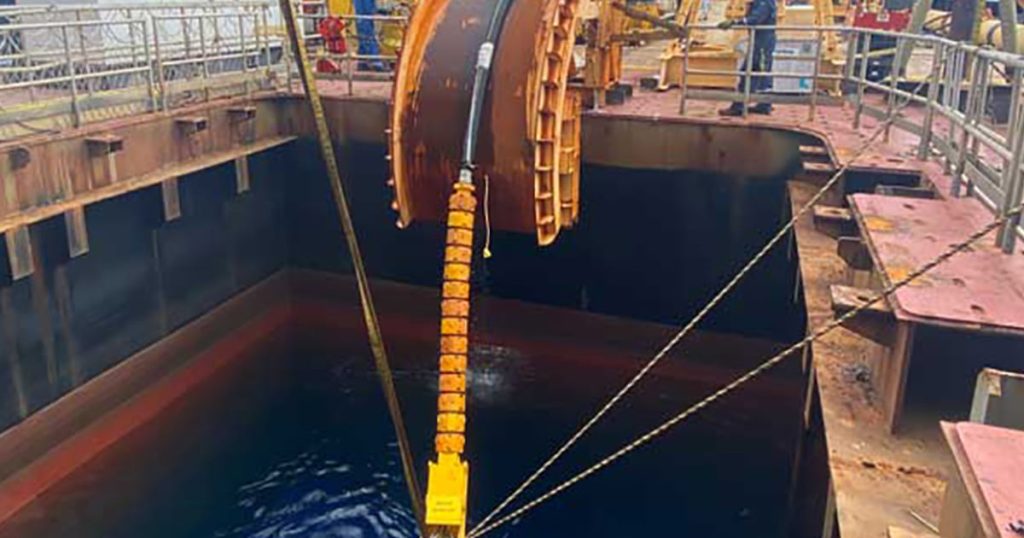
KOIL’s deployment in West Africa is not merely a machinery move. The company is committed to mobilizing a contingent of support personnel both onshore and offshore, which represents an injection of specialized human capital into a market that demands Gold Standard safety levels. The contract includes the rental of state-of-the-art equipment for connecting multiple underwater umbilical systems, the ‘nerves’ that enable communication and control between surface platforms and wells on the seabed.
This announcement comes just two months after KOIL closed a similar agreement for a deepwater hydrocarbon project in the Gulf of Mexico, suggesting an aggressive geographic diversification strategy. As major oil companies adjust their portfolios towards low-carbon assets, the maintenance and optimization of deepwater fields in West Africa continue to offer cash flow returns that few regions can match.
Industry analysts point out that this KOIL contract is the tip of the iceberg of renewed interest in underwater infrastructure in the region. With the relative stability of crude oil prices and the need to maximize production from existing fields to finance the energy transition, West Africa has become the battleground for service companies like KOIL that offer highly technical niche solutions.
The mobilization in the second half of 2026 will be a key indicator to measure the health of the supply chain in the African energy sector. In an environment where logistics and local talent are becoming increasingly decisive, KOIL’s ability to integrate international personnel with onshore support will be the definitive test of its global operating model.







