




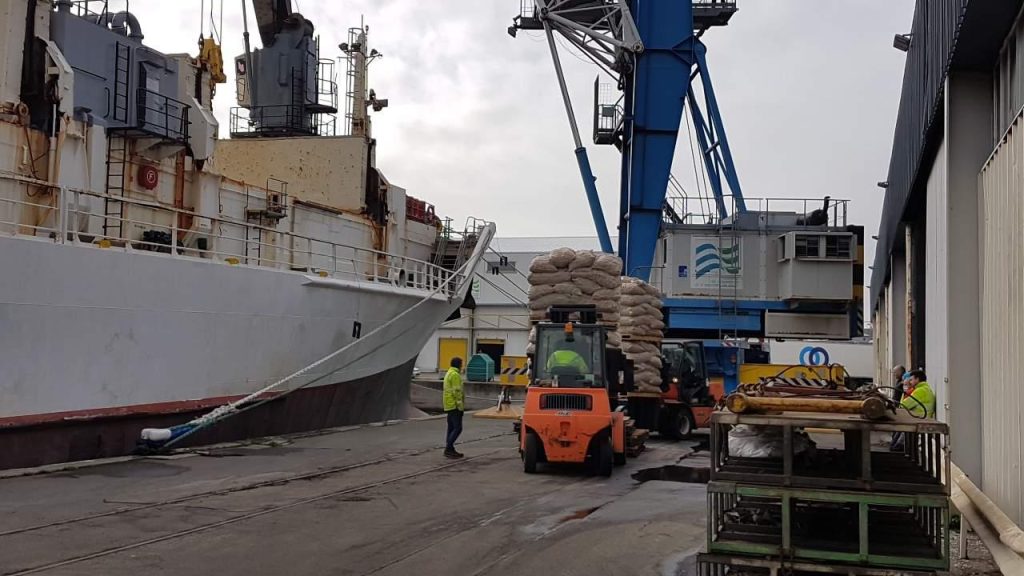
The import channel for the Canary Islands and the agricultural sector of the United Kingdom have reactivated trade in one of the tubers with the highest demand in the islands. The British National Farmers’ Union (NFU) celebrates this June the definitive lifting of the severe phytosanitary restrictions that blocked British potato exports to the island market. This trade flow had been suspended since 2023 due to the detection of the Colorado potato beetle in Kent County, a defoliating insect capable of destroying entire nightshade crops, which forced an immediate customs ban to safeguard the archipelago’s crops.
The UK Department for Environment, Food and Rural Affairs (Defra) confirms the agreement following intense technical discussions with the Ministry of Agriculture, Fisheries, and Food of Spain and the Phytosanitary Inspection of the Canary Islands. The reopening of borders responds to the official eradication of the pest on British territory, certified after a rigorous monitoring and biological containment program. With the disappearance of the threat from the insect, authorities have removed extraordinary packaging requirements, geographical origin limitations, and detailed parcel traceability systems that increased logistical costs.
The Plant Health Inspection of the Canary Islands maintains a strict preventive control to avoid collateral biological risks at the destination docks. Potato shipments disembarking in the archipelago must comply with the technical standards of washing and brushing, mandating a maximum soil tolerance of 1%. This phytosanitary requirement aims to prevent the external substrate from acting as a transmission vector for other fungi or harmful organisms, allowing the supply of the Canary market under a standard of maximum safety for the native flora.
Potato production in the Canary Islands is around 80,000 tons annually, with a stable cultivation area of approximately 5,000 hectares.







