




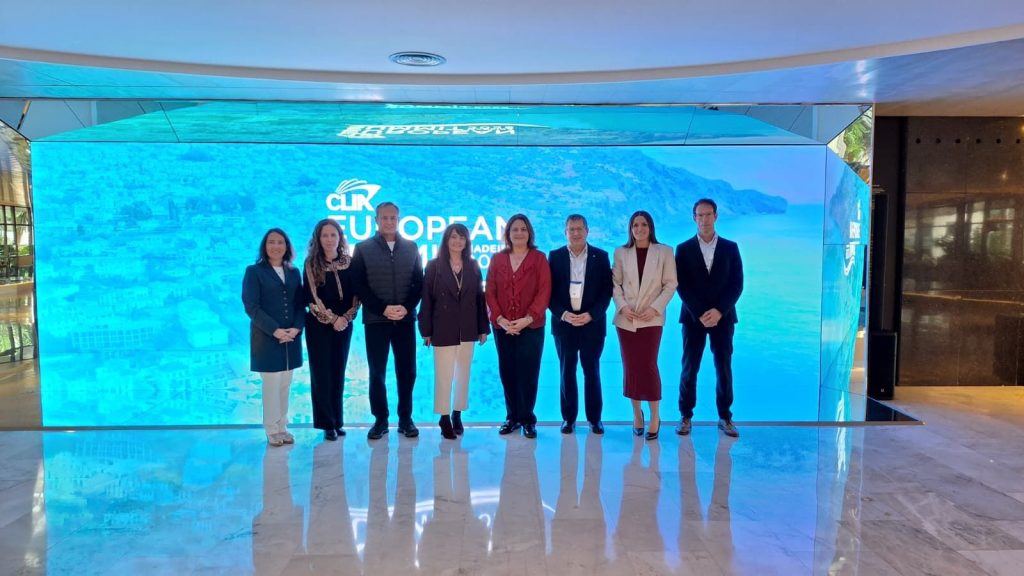
In Madeira, where the winds of the Atlantic dictate global tourism routes, the port authorities of Macaronesia have forged an alliance that goes far beyond mere nautical diplomacy. The celebration of the II Extraordinary Assembly of Cruise Atlantic Islands (CAI), within the framework of the prestigious CLIA 2026 European Summit, has served to certify that the Atlantic corridor is no longer a collection of scattered islands, but a first-rate economic block that has successfully exceeded 4.7 million passengers in the last fiscal year.
The meeting in Funchal, presided over by Beatriz Calzada —head of the Port Authority of Las Palmas and CAI itself—, counted with the active participation of the Ports of Tenerife, consolidating a common front that also includes the Azores, Madeira, and Cape Verde. The message is clear: in an increasingly competitive and globalized market, survival and growth depend on presenting themselves to major shipping companies as a unique, integrated, and above all, sustainable destination. The data from 2025 leave no room for doubt: growth is sustained, and the region has established itself as a strategic reference on the international cruise map.
The debate in Madeira has not been limited to celebrating the attendance figures. Under the watchful eye of industry leaders, the Atlantic ports have put on the table the technical challenges that will define the horizon for 2026. Decarbonization, the implementation of the new European Entry and Exit System (EES/ETIAS), and the transition to alternative fuels are the new frontiers. As Calzada emphasized, participation in these forums is ‘strategic,’ as this is where decisions are made regarding supply security and the infrastructure needed for the future cruises, which will be more technological and greener, to find in Macaronesia their ideal base of operations.
The meeting concluded with a defined roadmap for the next year, focused on strengthening a common identity and port digitalization. The Cruise Atlantic Islands alliance, established only two years ago, demonstrates that cooperation between Las Palmas, Santa Cruz de Tenerife and the rest of the archipelagos is the only way to influence European policies. At the end of the day, the goal is for Macaronesia to not just be a stopover for tourists’ rest, but a coordinated power capable of leading the transformation towards a balanced and competitive cruise tourism model.
News written by Raquel Molina. Edited and verified by José L. Jiménez. Information cross-checked without institutional filters. This analysis has not been funded by official advertising nor conditioned by lobbying interests.







