




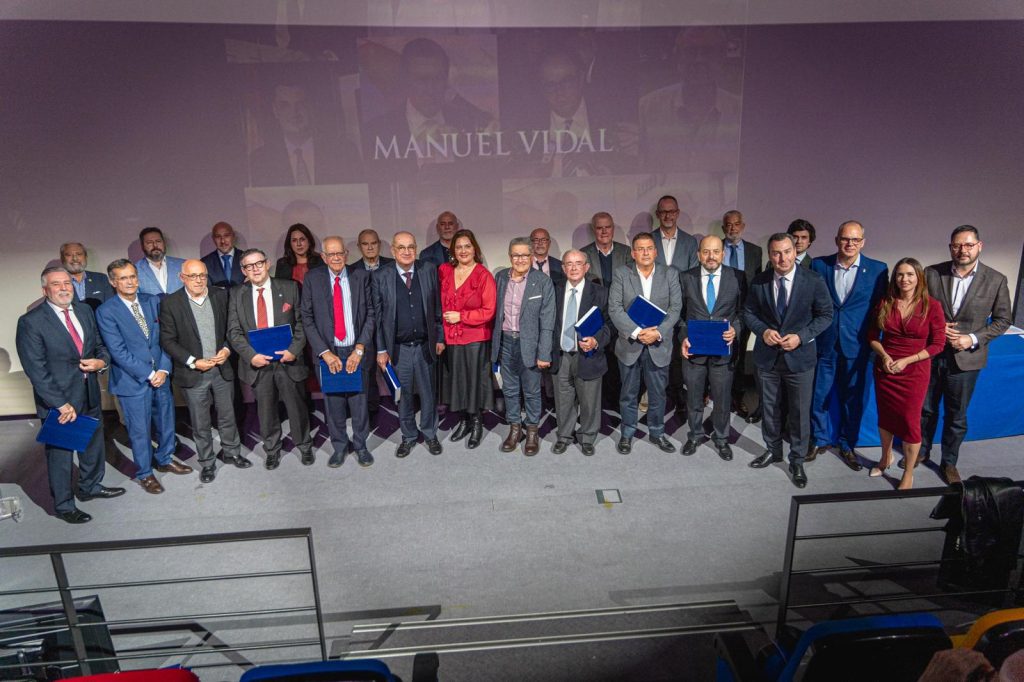
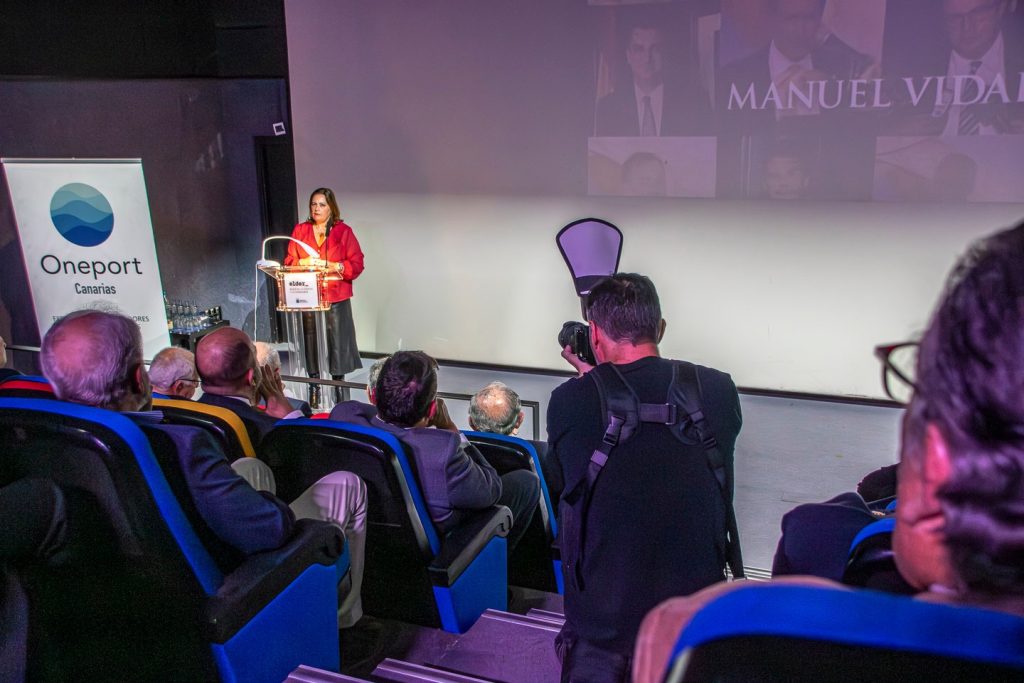
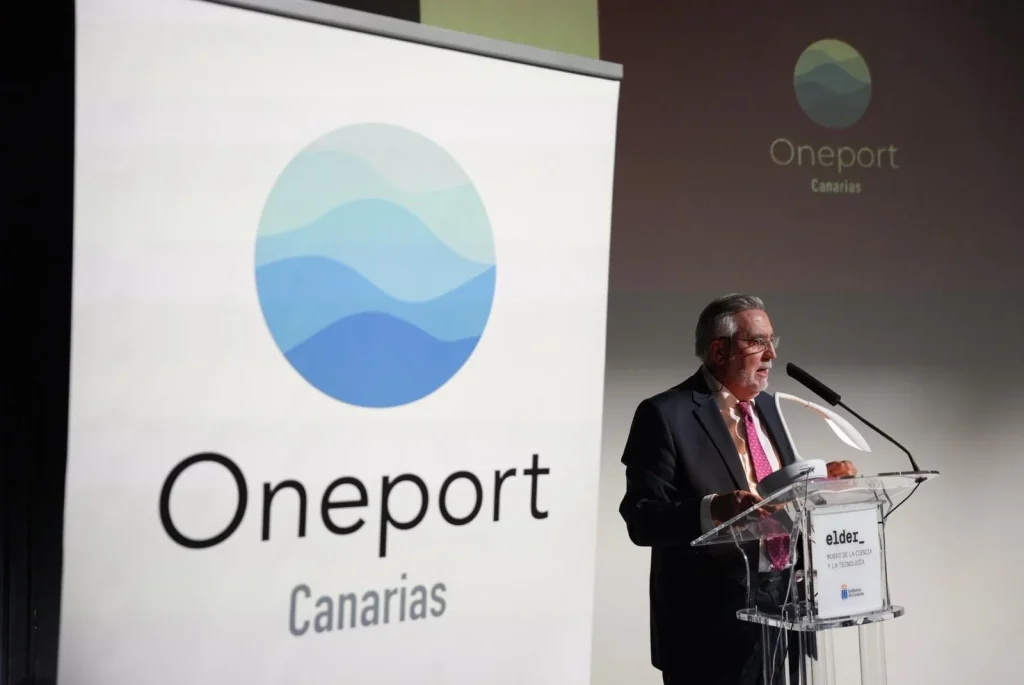
In the sober environment of the Elder Museum in the capital of Gran Canaria, the employer organization Oneport (Fecol) orchestrated more than just a ceremonial act this Thursday. The presentation of the tribute book to the presidents of the Port of Las Palmas by Manuel Vidal was not merely an exercise in nostalgia, but a calculated maneuver of business soft power. In a sector often fragmented by guild interests and fierce terminal competition, Oneport has established itself as the moral compass of the port community. No one from the patronage of the 1978 regime was present at the event, although the president of the Maritime Cluster of the Canary Islands, which is the armed wing of Fedeport, German Carlos Suárez, was there. A diplomatic detail that the president of Oneport, José Mayor, would have appreciated. A path over the sea, as Machado would say.
The weight of legacy in the ‘City’ of the Atlantic
The event, which brought together the top echelons of the logistics business and institutional representatives, served to remind that the governance of La Luz is not just a matter of TEUs and linear meters of quay. By paying tribute to those who have steered the Port Authority, the employers’ association led by José Mayor sends a clear message to the market: institutional stability is the most valuable asset of a port. While Mediterranean ports are wobbling under the pressure of new emission regulations and geopolitical instability, Las Palmas chooses to look inward to project itself outward. Vidal’s book is not just paper; it is a reminder that the port’s success — that 2.5% of the regional GDP — has been built on consensus and long-term vision, values that Oneport now claims as its own.
Oneport and the arbitration of values
The importance of this tribute lies in who convenes it. In the ecosystem of La Luz, where giants of agency, bunkering, and ship repair coexist, Oneport has managed to occupy a space that goes beyond defending commercial interests. For foreign investors, what happened in Las Palmas by bringing together all the presidents of the Port of Las Palmas is a sign of institutional maturity.
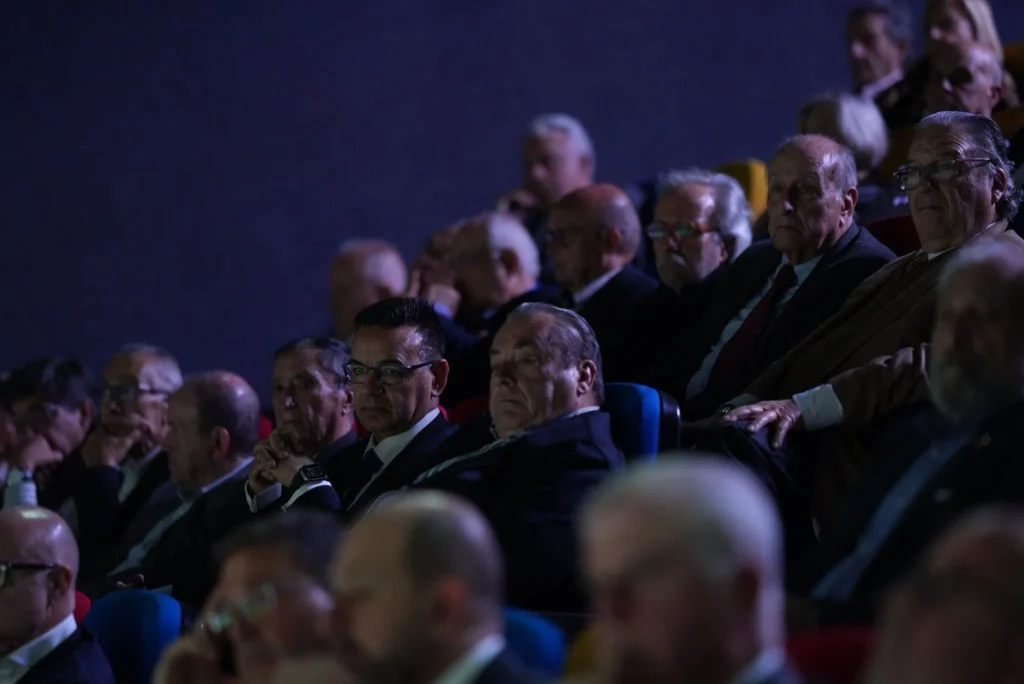
Trust is measured by the strength of relationships among local actors. Oneport has demonstrated that, beyond cranes and docks, there exists a moral structure that protects the legacy and charts the course into the future. ‘It is not about looking at the past with melancholy, but about using history as the sextant that allows us to navigate the turbulent waters of the energy transition and global competition,’ commented an attendee in the halls after the presentation. The Port of Las Palmas not only moves goods; this January 2026 has shown that it also moves ideas and values. And on that board, Oneport has made a move to consolidate itself as the guardian of the integrity of the large port family.







