




Canarias is no longer an archipelago, but rather the showcase of a managed shipwreck, where the average European consumes the afternoon sun while, just a few miles away from their gin and tonic, the Atlantic continues to spit out the evidence that our civilization is merely a footnote in the inventory of a customs office.
There are journeys measured in miles and others measured in the soul. For Sofía Hernández, the woman who has been steering the CCS Las Palmas for the past five years, the flight to Senegal this March 2026 has not been just another diplomatic mission. It has been a reconnection with the ‘reverse’ side of her own professional life. After a quarter of a century in Salvamento Marítimo, Sofía has traded for a few days the radar and nautical charts for the dust of coastal towns where hopes—and dramas—depart, which she coordinates every night from the Canary Islands.
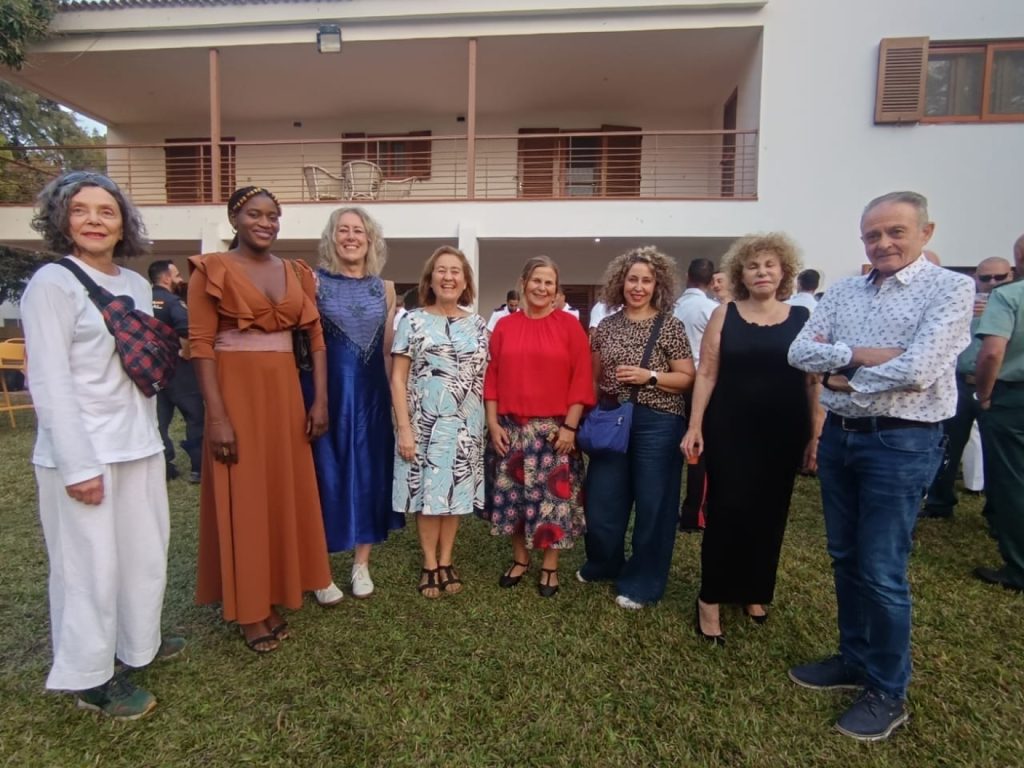
Accompanied by a delegation of Canary Islands authorities, the head of the Las Palmas center has traversed the hotspots of the Senegalese coast. There, where the Atlantic ceases to be a search map and becomes a border of survival, Sofía has been able to look into the eyes of the reality that fills 41% of the emergencies her team addresses in the islands. ‘It has been moving to see how both the administrations and the citizens know us and appreciate our work,’ she explains, moved.
A cup of coffee Touba and the recognition from the Caliph
In Senegal, the name of Salvamento Marítimo is not an abstract concept; it is an institution that fishermen and families see on television as the last lifeline. One of the most profound moments of the trip occurred at a local market, where a woman with her child on her back, possessing almost nothing, offered her a cup of coffee Touba. That gesture, sharing a drink that is a symbol of identity and friendship, sealed a bond that goes beyond offices: that of shared humanity between those who rescue and those who are rescued.
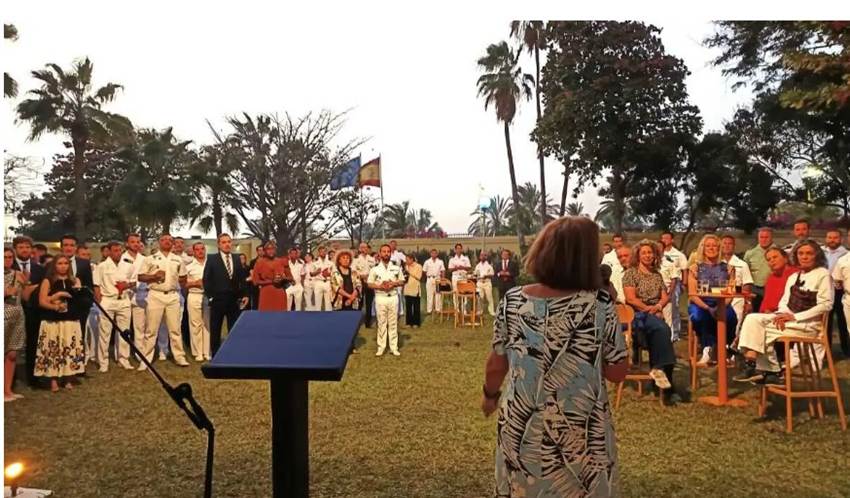
The significance of the visit reached its peak with the exceptional meeting with the Caliph of the country, who personally thanked Hernández for the dignified treatment and assistance provided to the ‘people of the sea’ of Senegal. For Sofía, a Cartagena native and a Canary Islands resident by adoption, this recognition closes a circle that began in 2001 when she left the deep-sea tugs to enter a control tower.
More than borders, life projects
The mission, in which figures like Teresa Mayans (Government Subdelegate) and Nardy Barrios (Charter 100) participated, sought not only to understand the origin of the cayucos but also to plant solutions. The journey highlighted bilateral cooperation and economic projects aimed at ensuring that the sea is no longer the only way out. ‘This trip is one more drop that has helped me grow a lot both personally and professionally,’ Sofía affirms. She returns to Las Palmas with suitcases full of handicrafts, but above all with a new understanding. Now, when the phone rings at the Coordination Center at three in the morning alerting of a drifting vessel, Sofía Hernández will no longer just see dots on a screen; she will see the face of the woman from the market and the aroma of coffee Touba, remembering that every rescue is, in reality, the return of a child to their mother.
Ultimately, after the medals and coffee Touba, Sofía will return to her glass tower in Las Palmas to continue managing the flow of despair; there, in front of the monitor, she will understand that humanism is merely the sentimental varnish with which we decorate the cold statistics of an ocean that, indifferent to our diplomatic missions, will continue to demand its tithe of flesh with the punctuality of a customs officer.







