




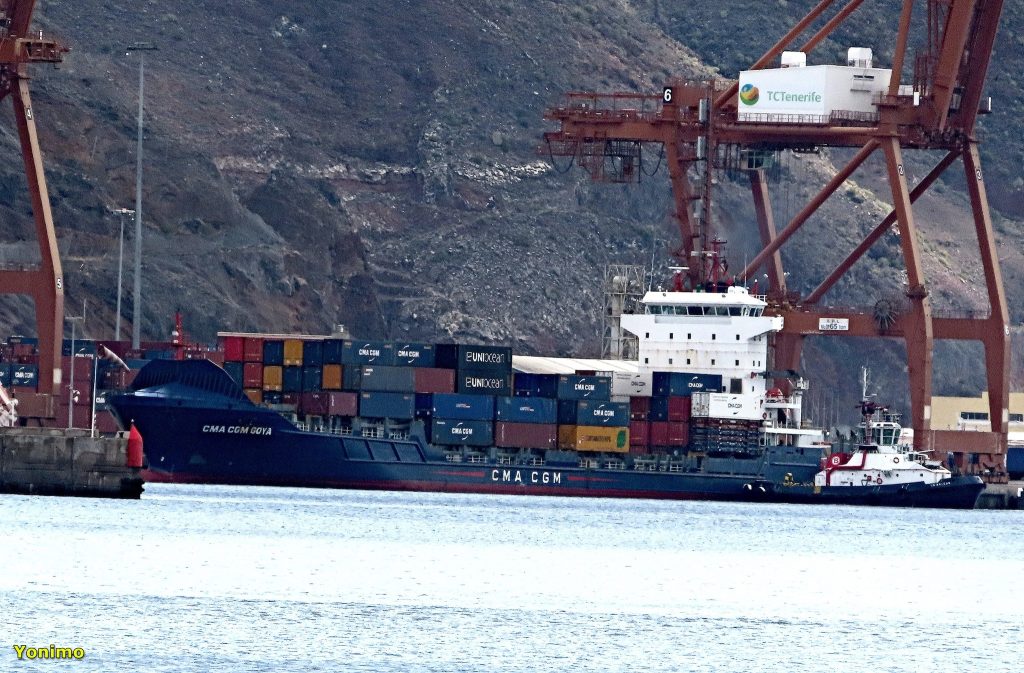
What began as an emergency measure in response to the attacks in the Red Sea at the end of 2023 has become, in March 2026, a structural reconfiguration of global maritime trade. The massive diversion of vessels towards the Cape of Good Hope, forced by insecurity in Suez and the closure of the Strait of Hormuz, is driving up fuel demand in Africa and accelerating an unprecedented wave of investments in its coastal economies. Following South Africa, the ports of Las Palmas and Santa Cruz de Tenerife are emerging as logistical hinges for crews and fuel.
The rise of African bunkering is a symptom of a fragmented world where efficiency has been sacrificed for resilience. Volatility is no longer a peak on the graph, but the foundation upon which the new logistics is built. Those ports that can provide legal security and a constant supply in this ‘permanent detour’ —as seems to be happening on the western coast and in Tangier— will be the true beneficiaries of the post-Suez era.
The main container operators, including Maersk, Hapag-Lloyd, and CMA CGM, have normalized the route circumventing the continent. ‘After nearly two years operating under these conditions, it has become an adaptation to a new operational reality,’ notes Bhavan Vempati, a Maersk executive. This migration of traffic has caused supply hubs like Cape Town to register increases of 112% in operational diversions, while in Port Louis (Mauritius), fuel sales nearly doubled, reaching a record of 929,043 tons.
The increased demand is attracting trading giants and specialized suppliers. Companies like Monjasa, with two decades in West Africa, report spikes in activity coinciding with the escalation of the war in Iran. The void left by traditional routes is being filled by new players such as Flex Commodities (Dubai), which has initiated operations in Namibia, and Misa Energy in Ghana, where they foresee that supply volumes will triple in the next decade.







