




No grancanarios were willing to defend their island as is the case in 2026, and it had to be a Scotsman who stood up to the pressures from Tenerife. The year 1851 is etched in the collective memory of Gran Canaria as one of the darkest periods. The cholera epidemic, which erupted with ferocity in the capital, was not just a health tragedy but led to a total collapse of the social and economic structure, decimating nearly ten percent of the island’s population.
The chaos began silently in the San José neighborhood, where the first fatalities were misdiagnosed, until the reality became evident with a mortality rate that reached up to forty percent among the hardest-hit areas. The bodies piled up in the streets, prompting volunteer citizens to urgently serve as grave diggers, going house to house in a scene of absolute desolation.
The response from the authorities became a trap for the islanders themselves. Out of fear of contagion, a radical blockade was imposed that isolated the island: the Military Commander of the Navy ordered all anchored ships to be stripped of their helms to prevent any escape. This measure, along with the closing of ports, ruined entire families of fishermen and traders who were left stranded in a mooring without maneuverability, exposed to drifting and misery.
To sink Gran Canaria
The supply shortages were so severe that citizens resorted to smoking straw or herbs in the complete absence of tobacco, while the mail to Tenerife was managed through a nightmarish protocol involving vinegar rafts and letters that, when opened and dried, arrived nearly illegible at their destination.
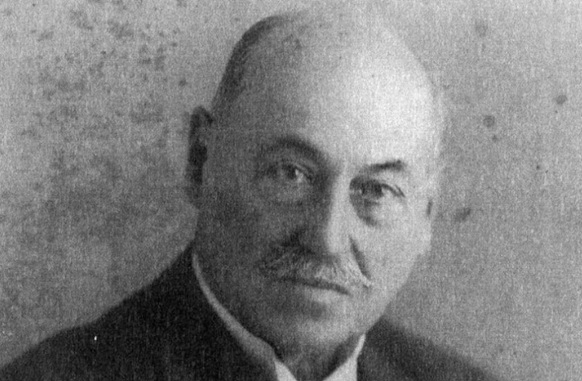
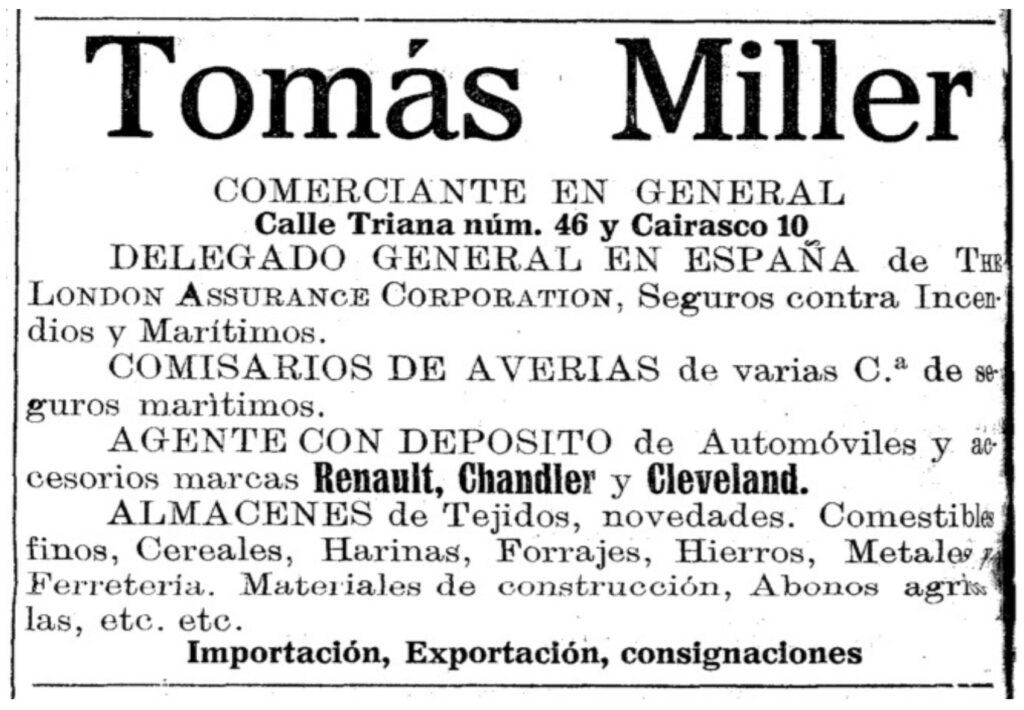
Amidst the confusion, the figure of Tomás Miller emerged as a fundamental pillar of resistance and management. This Scottish businessman, based in Las Palmas, not only formed part of the small elite that turned to the City Hall for solutions while other authorities sought refuge, but he also led the creation of a provisional hospital in Tafira. His commitment, however, came at a heart-wrenching human cost: Miller himself lost his wife, María de Vasconcellos, and four of his children during those dark days.
Only his four-year-old daughter Eliza managed to survive the horror of isolation in Tafira, symbolizing the fragility of a society that saw the prosperity of commercial houses vanish before the brutality of the bacteria.
The origin of the catastrophe was debated between two theories that continue to fuel historical discussions today: the arrival of the brig “Trueno” from Havana—whose infected sheets were supposedly washed uncontrollably in San José—and the recklessness of fishing boats operating off the African Coast. Vessels like “El Cuervo” or “El Telémaco” became unwitting vectors, transporting death in their holds and crews who became infected simply by aiding other ships at sea.
The Governor of the province, from his base in Tenerife, even acted personally, intercepting health boats to prevent offloading, an attitude that not only fueled resentment over the centralized management of the crisis but marked a milestone in the political tensions that characterized the island dispute for years.
By August 1851, as the outbreak began to subside, the city embarked on a radical hygienization that changed its morphology. The destruction of dry stone houses was ordered, pig breeding in the urban area was banned, and thorough cleaning of sewers and stables was conducted. Commercial normality did not return until February of 1852, after months of isolation that left the coffers empty and the fields without labor. Nonetheless, the resilience of those who survived allowed for reconstruction.
Tomás Miller, overcoming personal tragedy, rebuilt his life and laid the foundations for Casa Miller, a business lineage that would define the port’s future in the capital of Gran Canaria well into the 20th century.
This episode, rescued from oblivion by the archives of the Captaincy and family chronicles, continues to provide curious data, such as the existence of brigs whose maritime life ended after public auctions due to litigations arising from the economic ruin caused by the epidemic. The ‘Telémaco’, for example, after surviving quarantine and illness, continued its life in the 20th century as a central figure in the stories of Canary migration to Venezuela. The memory of those days, documented in official bulletins, narrates not only the cholera but also the chronicle of a city that, despite losing 5,599 of its members, managed to articulate a network of solidarity and survival that ultimately cemented the modern identity of its port and its people.







