




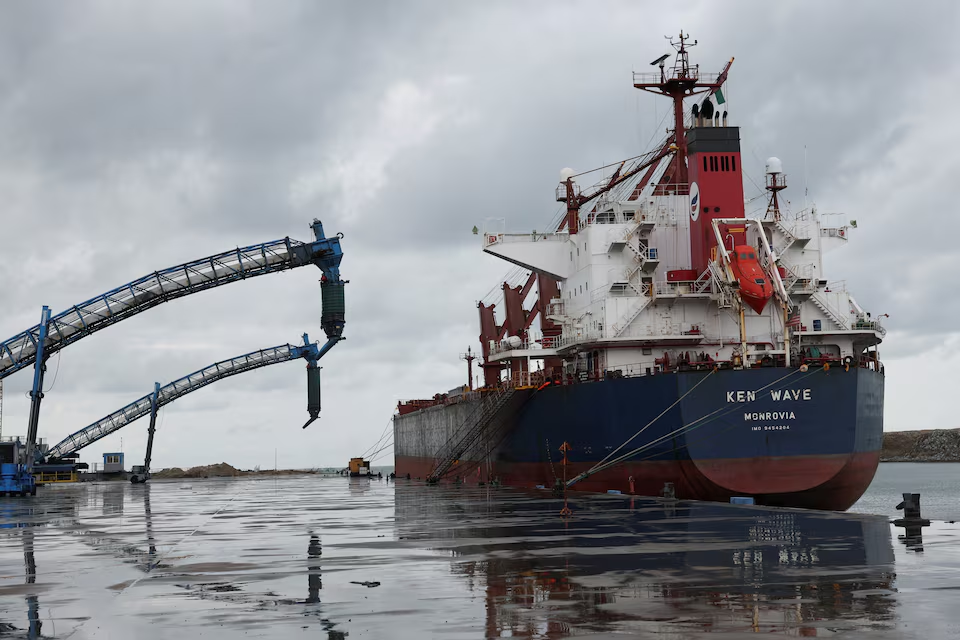
The energy landscape of the Atlantic has undergone an unexpected shift with the emergence of Nigeria as a key exporter of aviation fuel (Jet A1). For decades, the African nation was a hostage to imports to maintain its fleet in the air; today, the Dangote Refinery has reversed the roles, turning Nigeria into the essential ‘swing supplier’ for the West and positioning Tenerife at the center of its logistics strategy.
The Dangote refinery in Nigeria, the largest in Africa, has increased its exports of gasoline and urea to African countries affected by supply disruptions caused by the war in Iran, its owner, Aliko Dangote, said on Monday.
Dangote stated that the refinery, operating at its maximum capacity of 650,000 barrels per day, has helped mitigate the overall impact of the crisis both in Nigeria and throughout the continent. ‘What I can assure Nigerians… and most of West Africa, Central Africa, and East Africa, is that we have the capacity to supply them,’ Dangote said during a visit to the refinery on the outskirts of Lagos, the commercial capital.
The scale of the change is massive: the plant produces 24 million liters daily, a figure that dwarfs Nigeria’s internal demand of just 2.1 million. This surplus has found a priority welcoming port in Europe. In light of chronic disruptions in Red Sea routes, operational centers in London-Heathrow, Rotterdam, and Tenerife have raised their imports of processed Nigerian crude to record highs, reaching 100,000 barrels daily.
The impact on the islands is no coincidence. Industry giants such as Cepsa, BP, and Saudi Aramco are securing massive contracts to move this fuel to strategic markets. The geographical position of the Canary Islands, just miles from the western African coast, makes the archipelago the first natural stop for the new energy artery supplying from Ghana to Puerto Rico.
Nigeria has executed a class masterclass in national industrialization. By designating its local refinery as the exclusive supplier for domestic airlines, the government has stabilized internal costs while capturing high premium margins in the international market. For the Canary ports, this move represents a golden opportunity to establish themselves as the hub for services and supplies of a Nigeria that no longer only feeds Africa but keeps Europe in the air.







