




We have not been making news for even 60 days and already the ‘Dog Chow Command’ appears, linking our sole professional activity to a supposed emerging electoral calendar in the Canary ports. Perhaps in Infoperros they do not know who Kristinn Hrafnsson is, the Icelandic journalist and editor-in-chief of WikiLeaks. It does not matter. But it would be advisable for them to know this before handing out credentials of good journalism on ports in the Canaries, especially when their team only has salespeople, first you must have a newspaper whether digital or analog.
Hrafnsson demonstrates that journalism is not about pleasing the powerful or asking permissions from comfortable offices, but about publishing what others want to hide, assuming real risks and real consequences. That path – the straight, uncomfortable one, not the one of the salespeople – is what has always inspired this newsroom and those who compose it, among whom there is a candidate for the Canarias Communication Award for their role in investigation. This path follows the examples of ethically reference journalists like Pedro Perea or Pepe Alemán, recognized for their independence and sadly deceased.
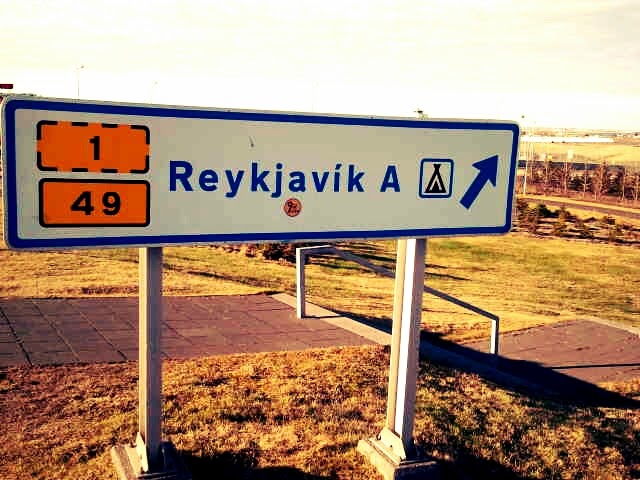
It is revealing that Infoperros pontificates about credibility and journalistic ethics from Iceland, operating from a rental office like Regus in Reykjavík and with servers out of the direct reach of Spanish courts. Some legal processes related to the matter are under review by lawyers in Las Palmas, according to official sources consulted by this newspaper. Because Canarytime is a newspaper: it has a staff, regularity, a place to contact any affected party by a piece of information, names, surnames, career paths, and, above all, it produces true news and the empirical demonstration that each text is audited by an editor who verifies facts and good faith in reporting from independence, guaranteed by Spanish law. It is common sense.
To give lessons… wow.
When trying to give lessons about what happens in the Canaries remotely to avoid embargoes or commercial risks, one must know that the new Digital Services Act, which we applaud, will leave these attempts out of coverage, including institutional advertising through employer vehicles of the 78 Regime. It is enough to say that our newspaper was the first in the Canaries with a transparency and access window for its subscribers to data about its funding mechanisms.
At Canarymaritime – unlike dog chow croquettes lovers – all those working in the newsroom are journalists. The separation between commercial interests and editorial line is absolute, taken to the limit. They do not write commercials. They do not write intermediaries. They do not write advisors. It is journalism. Classic. Uncomfortable. We do not send Mediterranean port companies to finance the closure of media that compete with us.
It is worth making it clear: we are not convicted criminals, we do not carry sentences for commercial, labor or professional malpractice, we do not hide behind opaque NGOs, nor use shell structures to disguise interests. We operate with names, surnames, and public responsibilities, already complying with the Digital Services Act. Infoperros talks about trenches, agendas, and noise, but does not refute a single fact, does not point to a single error, does not ask for a single rectification. From Iceland, it is easy to call for moderation. Here, where the pressures and calls arrive, is where true journalism is measured. The reader will know how to distinguish who informs while assuming risks and who distributes doctrine thousands of kilometers from real power. Hopefully, someone dares to propose a legal procedure: With names and evidence, we will see what they are really made of.

