




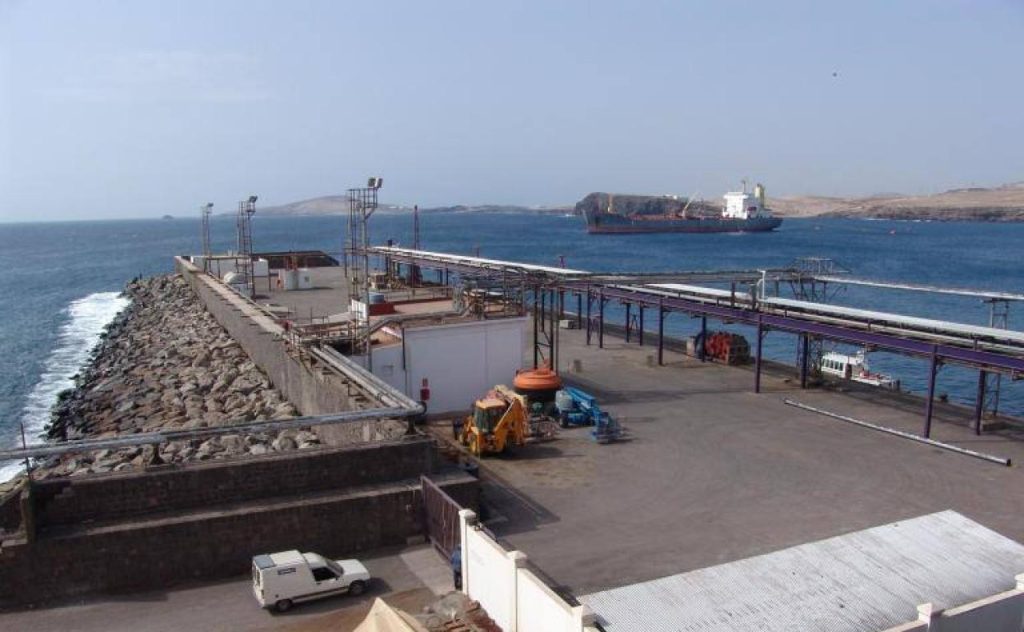
The map of global energy trade is being redrawn by the force of regulation and the Canary Islands ports are part of that axis. What was once a constant flow of fuel from the refineries in India to the European Union has come to a complete halt this January 2026. The reason is not a lack of demand, but the rigor of the new EU sanctions prohibiting any fuel derived from Russian crude. This ‘blockade of legal loopholes’ has forced Asian giants to recalibrate their trade compass, finding in West Africa a historical destination for their surpluses.
The Canarian terminals must now be extremely cautious with traceability. Importing fuel that does not comply with the ’60 days free of Russian crude’ rule could prevent those ships from legally operating in European ports such as those in the Canary Islands. The Canary Islands find themselves at a legal crossroads. As an Outermost Region (OMR), they have certain exemptions in the emissions trading system (ETS) until 2030 for flights and maritime routes with the mainland, which helps maintain competitiveness, but does not protect them from the volatility of crude prices in the global market.
The fact that India is sending record volumes of diesel to West Africa strengthens direct competitor ports to the Canary Islands, such as those in Morocco (Tangier-Med or Agadir) or Nigeria. If these ports offer cheaper fuel (not being subject to EU restrictions on crude origin), they could attract some of the maritime traffic that previously stopped in Las Palmas or Santa Cruz de Tenerife.
A vacuum in the Old Continent
Europe, in its attempt to suffocate Moscow’s funding channels, has imposed a hard rule: refineries wishing to export to the bloc must certify that they have not processed Russian crude in the last 60 days. This requirement has sidelined key players. India, which during 2025 was the third largest supplier of diesel to the EU, has seen its ships disappear from European ports so far this month. Meanwhile, Turkey is also feeling the impact; its exports to the bloc have plummeted by nearly half, while refineries like Star continue to operate with Urals crude, automatically excluding them from the community market.
The rise of Africa and the new order
As the doors of Europe close, the doors of West Africa swing wide open. Kpler and Vortexa data reveal a record figure: Indian diesel exports to this region peaked at 155,000 barrels per day. This movement is not just a commercial transaction; it is a symptom of ‘reorganization’ on a global scale. As Indian diesel shifts towards Africa, it frees up supply from the Middle East, which is now flowing more intensely towards a Europe in need of ‘clean’ energy free of Russian traces.
Geopolitics and corporate resilience
In this scenario, companies like Reliance in India and Tupras in Turkey are navigating turbulent waters. While some plants are trying to adapt by segregating Russian crude, others maintain their trade ties at the cost of losing access to the European market. This phenomenon coincides with a broader global trend where ‘middle powers’ are looking to detach from dependence on the policies of Washington and Brussels, seeking autonomy in an increasingly fragmented economic world. Efficiency and the ability to pivot towards emerging new markets will define, in this 2026, who retains power in the raw materials sector.
News written by José Luis Jiménez. Edited and verified by Gara Vega. Information cross-checked without institutional filters. This analysis has not been financed by official advertising nor conditioned by lobby interests.







