Maintenance repairs in the Mid-Atlantic remain the main revenue driver
Valaris Limited and Transocean Ltd. confirmed to the U.S. Securities and Exchange Commission (SEC) that the Foreign Investment Review Committee (CFIUS) has formally approved their merger. The corporate deal automatically shields the most lucrative client portfolio of the Las Palmas and Tenerife ports—the operating bases selected by the global extractive industry to maintain its fleet.
A share swap unites two deepwater drilling giants
The transaction was structured through an exchange of 15,235 Transocean shares for each Valaris share, a financial move that brings together the two largest deepwater drilling corporations in the world. The move creates an industrial heavyweight, with orders measured in tons of steel, crucial ship agency contracts, and thousands of hours of specialized welding for the island shipyards.
U.S. Justice Department slows the timetable
A report signed by Valaris general counsel, Davor Vukadin, states that the U.S. national security review was successfully completed on June 29. Despite the progress, the Antitrust Division of the U.S. Department of Justice (DOJ) keeps the deal under strict scrutiny. Regulators issued a second request for documentary information, freezing the final closing of the merger until the last quarter of the year. The companies agreed with the public body not to certify compliance with the requirements before July 31, effectively accepting a two-month delay from the initially set deadlines.
Bureaucracy does not affect technical activity at the quays
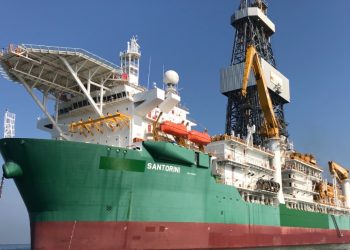
The paperwork requirements do not affect the vessels’ technical operations at the docks. Ultra-deepwater drilling units rely on secure port facilities, including tax benefits and specialized workshops for their mandatory technical stops. The Canary Islands infrastructure operates as the strategic logistics hub for the operational triangle connecting West Africa oilfields, North Sea platforms, and the South American market.
Scrapping and reactivations alongside the dock
Combining the balance sheets of both companies prioritizes reducing operating costs and optimizing the fleet. The notice sent to investors in Wall Street explicitly includes the intention to withdraw from the market and scrap obsolete drilling rigs in order to raise daily charter rates. The asset restructuring benefits Canary repair centers, which are equipped to manage modernization projects for electronic systems, reactivate inactive vessels, and carry out complex naval recycling processes under European environmental regulations.
The temporary standstill caused by scrutiny in Washington left several investments frozen. The resolution from the U.S. committee clears the way to reactivate budgets earmarked for the major technical overhauls of floating hulls. Boards of directors finish shaping the group’s governance from Texas and Switzerland; the Canary ports, meanwhile, limit themselves to preparing their graving docks for the arrival of structures from an operator that now controls prices in the sector.
Entry: Early Moves After the Valaris-Transocean Merger and Their Impact on Tenerife and Las Palmas was first published on canarymaritime.com.