




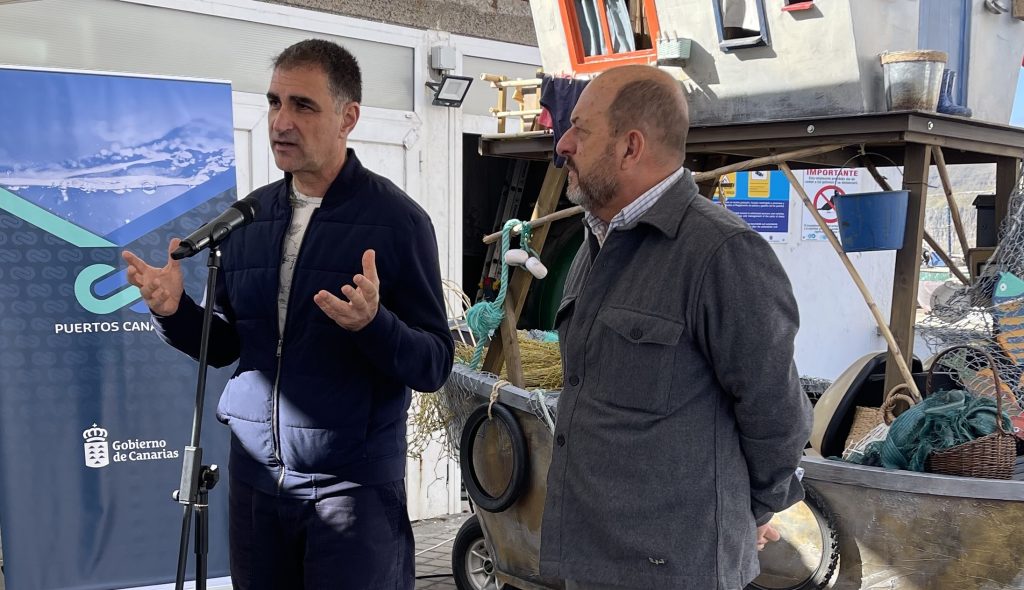
The public entity Canary Ports has activated a strategic program for the opening and dissemination of its coastal infrastructures with the aim of making the sustainable transformation of its facilities visible. The plan for open house events includes the organization of free guided tours through the fifty-two port facilities owned by the autonomous community distributed throughout the archipelago.
This strategy for opening critical infrastructures coincides with regional investments aimed at the decarbonization of autonomous docks and the improvement of energy efficiency systems along the coast. By opening the facilities to public scrutiny, the governmental entity seeks to project the social impact of public funds used in the modernization of the docks and attached industrial platforms. Local corporations and fishing groups integrated into the port environments expect that the dynamization of these events will generate a positive indirect impact on the commercial economies of the selected port municipalities during the months of May and June.
The initiative aims to bring citizens closer to the operational management of these connectivity nodes, critical for the inter-island transport of goods and passengers, as well as for fishing, sports, scientific, and technological activities managed under administrative concession.
The public relations and corporate campaign acts as a positioning tool for the ecoports brand of the archipelago. The managing director of the public entity, José Gilberto Moreno, has formalized the presentation of the project at the historic Port of San Cristóbal in Las Palmas de Gran Canaria, detailing a model of technical visits that will be complemented by the itinerant scenic proposal Stories of Salt. This small format cultural action resorts to dramatization and visual poetry to disseminate the corporate values of the sustainability agenda, respect for the marine environment, and the socioeconomic resilience of the port communities of the Canary coast.
The operational deployment of the institutional circuit prioritizes Gran Canaria as the first island to test the viability and attendance of the informational days before exporting the model to the rest of the autonomous community. The established calendar will commence immediately at the Taliarte dock and continue in La Aldea, subsequently covering relevant tourist and nautical enclaves such as Pasito Blanco, Arguineguín, and Mogán, as well as the node of general interest at Agaete. The logistical planning reserves specific time slots during the month of June for educational centers at the facilities of Sardina, Castillo de El Romeral, and San Cristóbal, in order to establish the educational aspect of the program.







