




The escalation of hostilities in Iran has forced a massive reconfiguration of global maritime routes, leading to traffic that typically crosses the Suez Canal being diverted around southern Africa. This change in course points directly towards the Archipelago, where the Port Authority is already anticipating a ‘tsunami of vessels’ seeking supplies.
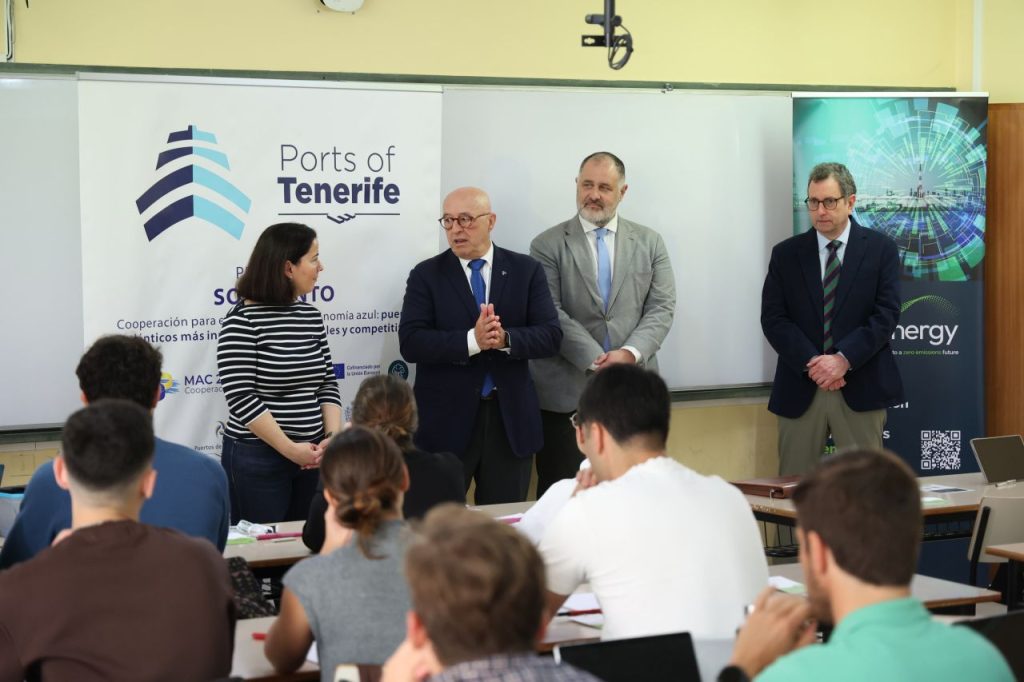
The president of the Port Authority, Pedro Suárez, sounded the alarm during the first international forum on alternative fuels held at the Spanish Institute of Oceanography. The concern is not about operational capacity, but the potential lack of raw materials. With the main hydrocarbon suppliers located in the conflict zone, the port of Santa Cruz faces the paradox of having a historic demand but critical uncertainty about whether it will have enough fuel for the bunkering of so many ships.
In the face of the possibility of running out of stock to serve the international fleet, Tenerife Ports has already begun to explore alternative markets. Suárez announced that they are analyzing options in other producing countries, specifically pointing to Venezuela as a potential supplier to replace the flow interrupted by the conflict in the Middle East. The strategy consists of urgently diversifying hydrocarbon sources to ensure that Tenerife maintains its status as an ‘uninterrupted service station’ 24 hours a day.
This situational crisis, resulting from the blockade of key points such as the Strait of Hormuz, places Tenerife before an unprecedented inventory management challenge. The uncertainty has already been communicated to traditional fuel suppliers, who must adjust their forecasts in light of a rising consumption that could overwhelm current supplies if new crude oil import routes are not secured.
Despite the risks of shortages, Pedro Suárez sees this crisis as an ‘opportunity to seize’ to consolidate the Island as the most reliable bunkering hub in the Atlantic. The diversion of vessels to the route around the Cape of Good Hope once again places the Canary Islands at the center of the global logistics map. ‘Tenerife is a natural refuge,’ the president emphasized, highlighting that the facility is ready to supply safely and efficiently, as long as the global supply chain allows it.
Alongside the urgency of oil, the Canary port does not lose sight of the future. The holding of the forum on alternative fuels underscores the island’s intention to lead the maritime energy transition. While seeking solutions for the current crisis, Tenerife Ports plans to reorganize its space, relocating activities to the port of Granadilla to gain capacity and attract international traffic that, due to the force of arms in the Indian Ocean, has turned its gaze toward the safe refuge of the Canary Islands.







