




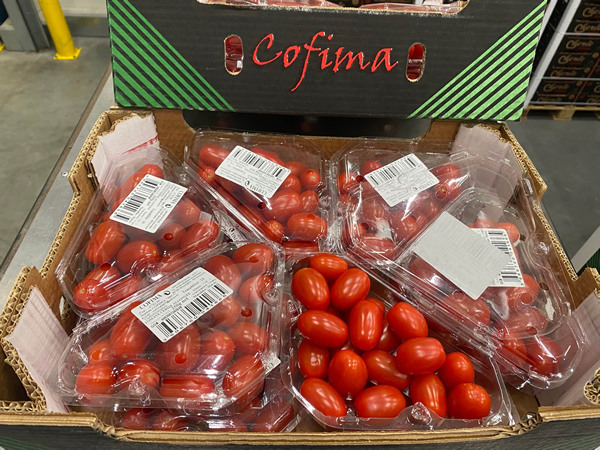
Morocco has introduced a new support mechanism for agricultural exports aimed at promoting the **diversification of fresh tomato export markets**. According to a decree published in the Official Bulletin, the measure grants a **subsidy of 750 dirhams (79.44 dollars) per ton for volumes exported to destinations outside the European Union and the United Kingdom**.
The mechanism is structured as a performance-based incentive. Financial support applies only to export volumes that exceed a benchmark level, calculated from the average shipments recorded between September 2010 and August 2020. Therefore, the measure seeks to drive **greater growth in exports, rather than subsidizing existing trade flows**.
Specifically, the program covers exports conducted by sea or land to African markets and other regions of the world, reflecting the authorities’ intent to reduce the **heavy reliance of the sector on the European market**.
According to data from the Trade Map platform, **Morocco exported 767,347 tons of fresh tomatoes worth 1.15 billion dollars in 2024**. The European Union absorbed **75.6% of the volume, while the United Kingdom represented 16.58%**. These figures confirm Morocco as **the main exporter of tomatoes to both the EU and the UK among third countries**. Reducing this dependency is strategically important for Rabat, as the growing presence of Moroccan tomatoes in EU markets has fueled trade tensions with European producers for several years.
In the French market, the main gateway for Moroccan tomatoes, Moroccan exporters are frequently accused of **unfair competition and lack of transparency in the labeling of their products**. In Spain, the Coordination of Spanish Agricultural and Livestock Organizations (COAG) has repeatedly denounced that **Moroccan tomato exports to the EU involve tax fraud**.
To date, no evidence has confirmed these accusations, but criticisms from European producers persist. According to the news agency Europa Press, representatives of the sectors from Spain, France, Italy, and Portugal met on February 10 and 11, 2026, in Torres Vedras to demand greater reciprocity in trade agreements with third countries and **denounce the impact of trade concessions granted to Moroccan products**. In this context, diversification towards Africa and other regions could provide a lever to ensure the future growth of the kingdom’s tomato exports.







