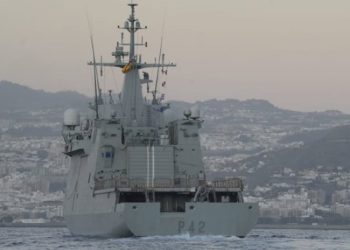
The Shipping Canary Islands 2026 conference, convened by business association Oneport for October 26 and 27, will address the reconfiguration of global shipping routes following the diversion of freight around the Cape of Good Hope. Amid the clash between the geopolitical opportunity in the Mid-Atlantic and the loss of competitiveness against African ports, the sector is seeking to consolidate the archipelago’s role as a hub for bunkering and offshore services.
The global maritime trade map is undergoing its biggest geopolitical restructuring in decades. The persistence of war-related tensions in the Red Sea has forced major shipping companies to abandon the Suez Canal route and sail around Africa via the Cape of Good Hope. Against this backdrop of a massive diversion of traffic between Asia and Europe, logistics operators’ association Oneport Canarias is holding the second edition of Shipping Canary Islands on October 26 and 27, 2026, in Las Palmas de Gran Canaria.
The forum, chaired by José Mayor, seeks to coordinate the response of the business and institutional sectors to the archipelago’s position as a technical stopover in the Mid-Atlantic. The reshaping of international flows has restored the islands’ prominence in ship replenishment and support for the offshore energy industry, although this increase in transit traffic coexists with the latent threat of losing connectivity to non-EU sovereign ports.
The Atlantic paradox: international tensions and EU tax pressure
Canary Islands’ role as a strategic crossroads runs headlong into the requirements of the European regulatory framework. While instability in the Middle East is pushing ships toward the archipelago’s waters, the entry into force of the Emissions Trading System (EU ETS) and the FuelEU Maritime regulation imposes tax surcharges that penalize fuel supplies at Spanish ports.
The cost differential with deregulated North African hubs—led by Tanger Med and the development of the Dakhla Atlantique complex in Western Sahara—is putting pressure on local industry margins. Operators grouped under Oneport are seeking to coordinate strategies to prevent traffic diverted from the Red Sea from choosing to refuel at neighboring ports that are not subject to the European Union’s environmental charge, a factor that threatens to erode the islands’ share of the bunkering market.
Focus on Africa and maritime industry alliances
The summit will build on the edition held in October 2025, which focused its discussions on the growing weight of West African economies and the need to adapt Canary Islands port infrastructure to the new requirements of the international fleet. The October 2026 event will bring together shipowners, technical executives and public administration representatives to negotiate commercial agreements and assess the real impact of decarbonization charges on the port of Gran Canaria.
The commercial momentum advocated by the business association depends on the Port of Las Palmas’s ability to retain international traffic calls through high-value-added ancillary services. With global supply chains under structural strain and the geostrategic landscape undergoing profound change, the island’s maritime industry is seeking through this event to establish its position as an indispensable logistics hub in the Atlantic.
The article Red Sea crisis and Europe’s fiscal squeeze take center stage at Shipping Canary Islands 2026 was first published on canarymaritime.com.